
Last updated November 18, 2026
 Hardwood
 Engineered hardwood
 Luxury vinyl plank
 Laminate
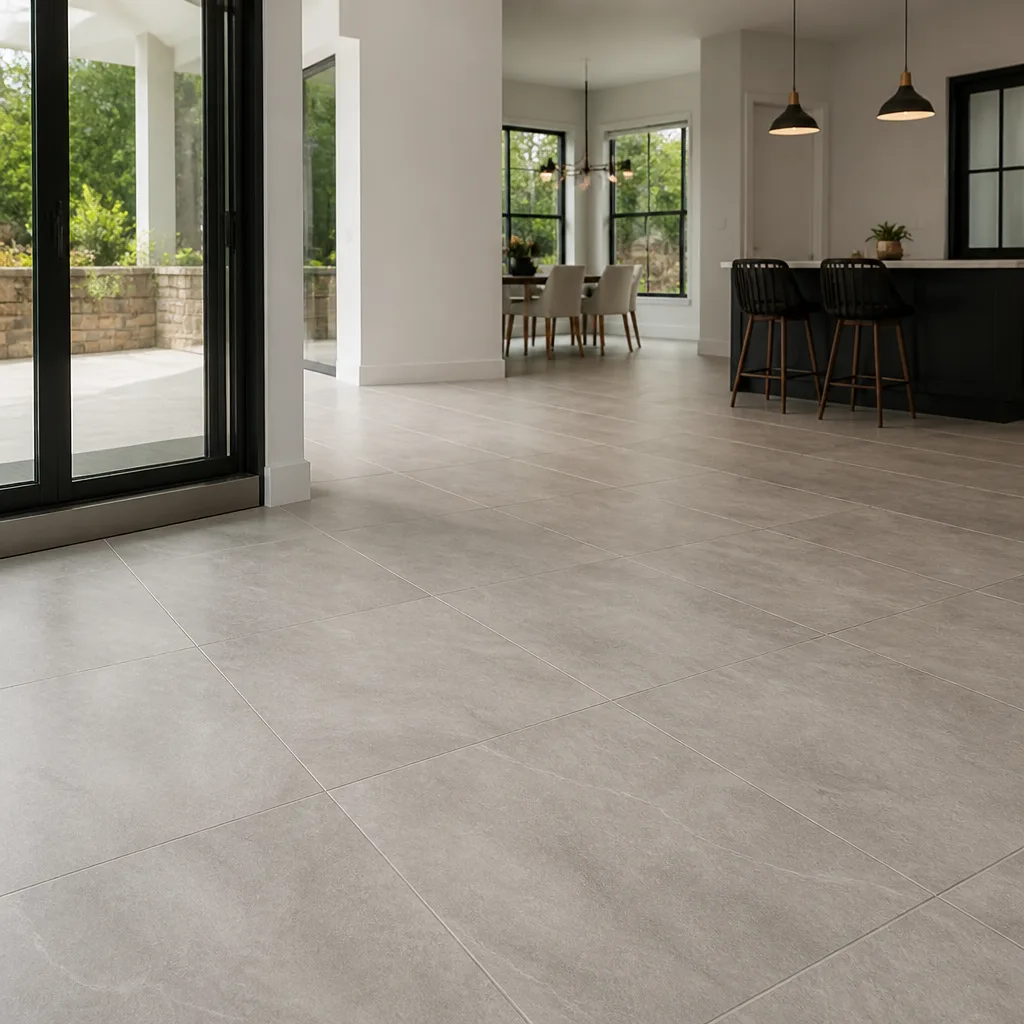 Porcelain tile
 Carpet
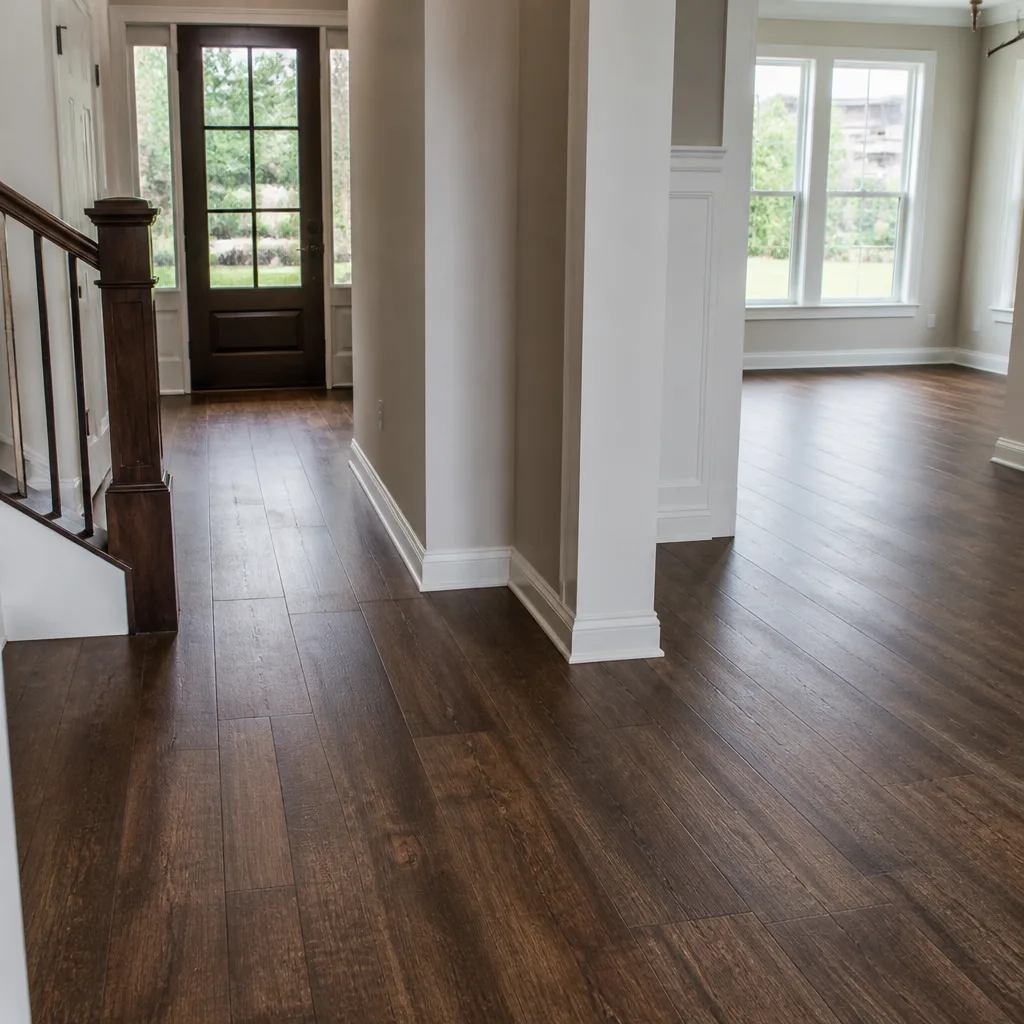 Shaw
 Mohawk
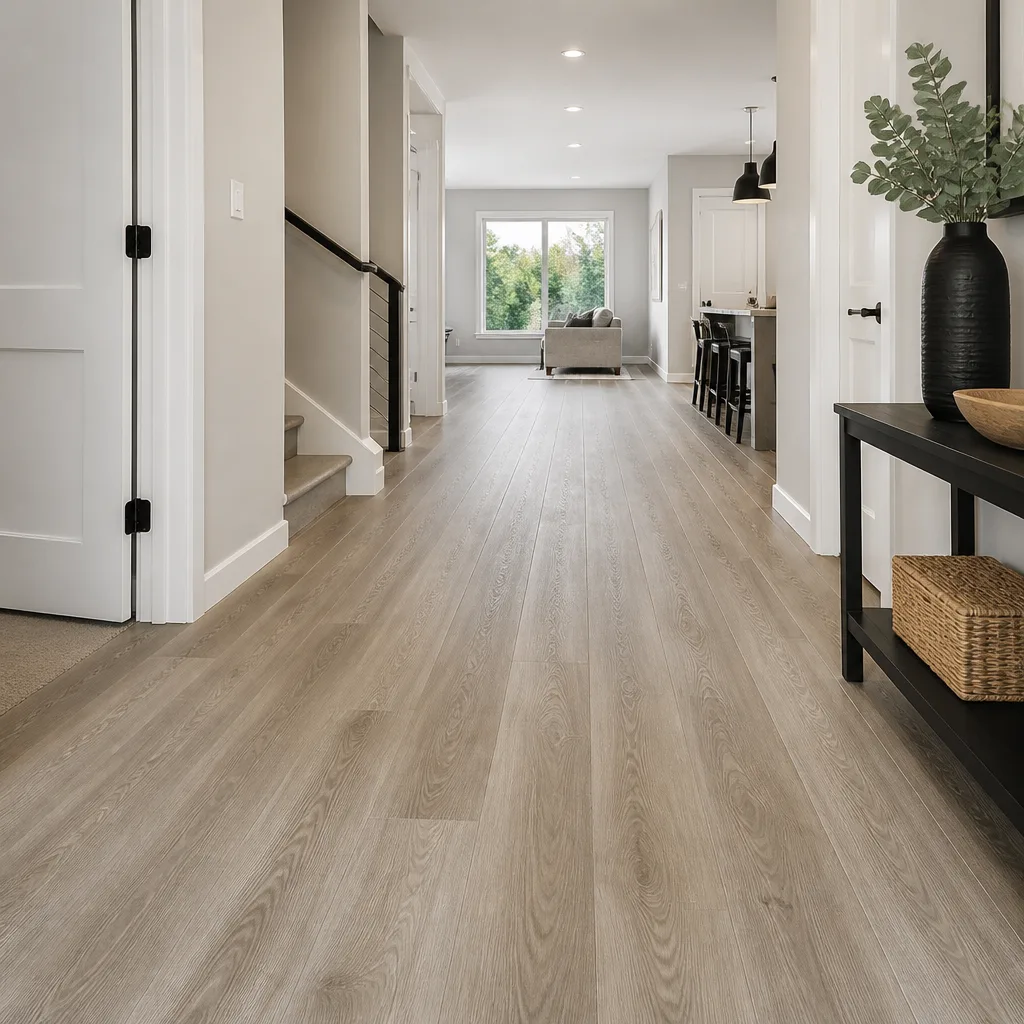 COREtec
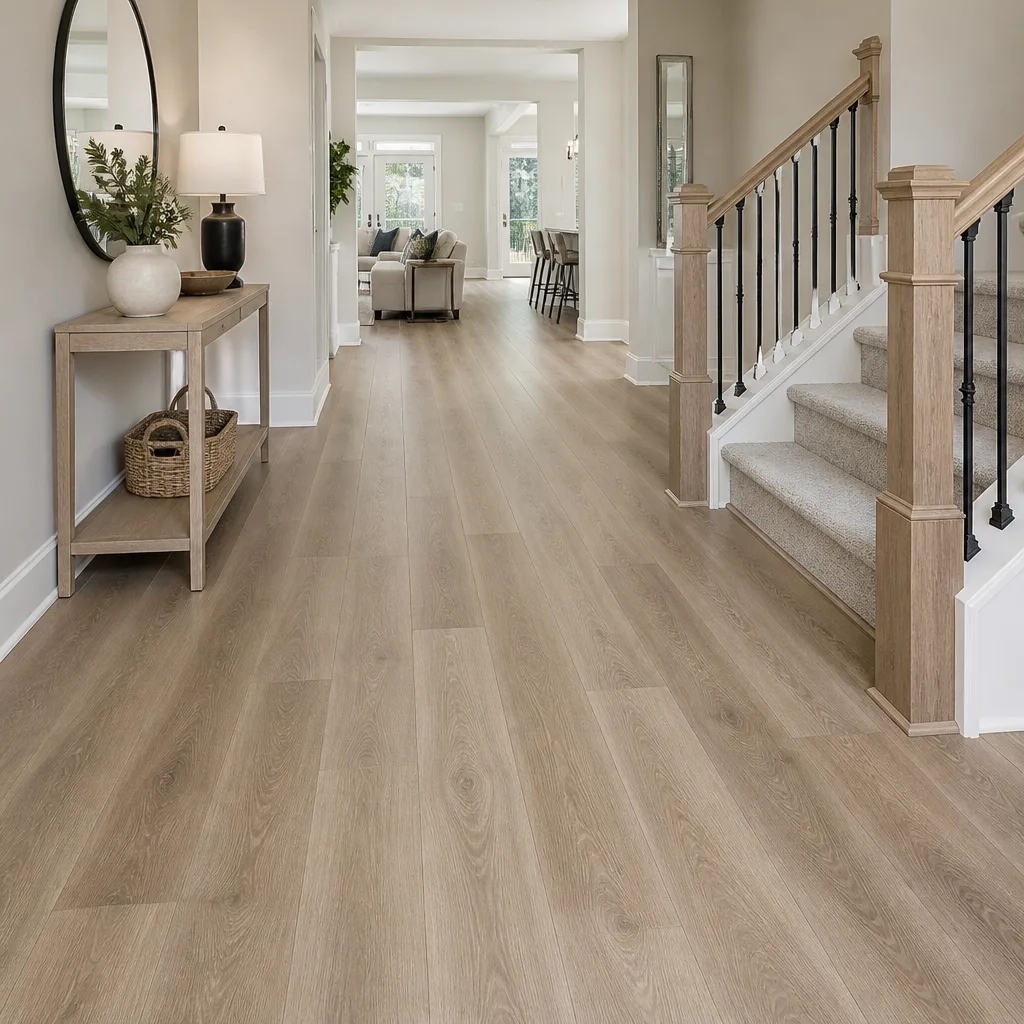 Pergo
Free in-home measure and written estimate: Shaw, Mohawk, COREtec and Pergo lines compared on your own rooms, with carpet, tile, vinyl plank, laminate and hardwood laid out side by side
Get your free estimateFlooring Installation Questions to Ask Before You Sign
Most homeowners walk into a flooring decision armed with a color palette and a budget. The questions that actually decide whether a floor holds up for the next twenty years are more technical, and almost nobody asks them. Here’s the one that separates experienced contractors from everyone else: “How will you handle the slab moisture reading, and what’s your threshold for recommending a moisture barrier?” If the answer is vague, that tells you plenty. This guide walks through the questions worth asking before you sign anything in Henderson, from subfloor tolerances to warranty chains.
Quick Answer
Before signing a flooring contract in Henderson, ask about flatness tolerance and who pays for leveling, the specific slab moisture test method and threshold used, the manufacturer’s acclimation requirement for the product being installed, whether labor defects are covered by the installer’s own warranty, and who holds the license on the job. The answers reveal whether you’re dealing with a flooring specialist or someone who treats installation as an afterthought.
Styles & brands we work with
- Hardwood
- Engineered hardwood
- Luxury vinyl plank
- Laminate
- Porcelain tile
- Carpet
- Shaw
- Mohawk
- COREtec
- Pergo
Table of Contents
- Subfloor and flatness questions to ask first
- Moisture and slab testing questions for Henderson homes
- Product, rating, and acclimation questions
- Warranty questions that protect your investment
- License, subcontractors, and accountability questions
- Brand and installer qualification questions
- Install-day logistics questions
- Contract and payment questions before signing
Subfloor and Flatness Questions to Ask First
The subfloor is where floors fail, and most of the failure happens silently months after the crew leaves. Ask directly: “What flatness tolerance do you work to, and how do you measure it?” A flooring specialist will name a specific measurement method and a tolerance number before quoting. A generalist will say something about leveling as needed and move on.
Here’s what to confirm in writing:
- Tolerance number: The contractor should name the flatness tolerance the product manufacturer specifies, tied to the specific product you’re buying. It varies by product.
- Measurement method: Ask whether they use a straightedge and feeler gauge, a laser level, or another method, and whether the measurement is documented at the estimate visit or the install day.
- Leveling compound scope: Ask whether leveling compound is included in the quoted price or treated as a change order. This is the single most common cost surprise in flooring, and getting it in writing before signing protects you.
- Threshold for a change order: Ask what reading triggers a leveling recommendation and roughly how the added cost is calculated.
In Henderson, homes built on expansive desert soils sometimes settle unevenly, and older slab foundations can show undulation that surfaces only after an installer lays a straightedge across them. Ask whether the contractor will check the whole room or just sample spots. A big-box installation typically specifies a change order for leveling when the subfloor exceeds tolerance. Not every quote includes that clause in plain language, so ask to see it in writing before signing.
Moisture and Slab Testing Questions for Henderson Homes
This is the question that separates experienced contractors from everyone else. Ask: “What instrument do you use to test slab moisture, and what threshold triggers a moisture mitigation recommendation?” A serious answer names the instrument (typically a calcium chloride test kit or a relative humidity probe, depending on the product being installed) and a number. A vague answer like “we check it” tells you to keep shopping.
Slab moisture matters on a concrete foundation because moisture vapor moves through concrete and can damage certain flooring products from below, regardless of how dry the surface feels. In Henderson, the dry climate leads some contractors to skip the test entirely. That’s a mistake. The interior of a slab can hold more moisture than the surface suggests, especially in homes with irrigated landscaping or internal plumbing nearby. Ask whether the test is done on the day of installation or in advance, and whether it’s documented in writing.
Follow-up questions worth asking:
- What’s the specific moisture emission threshold for this product? Each manufacturer sets its own.
- If the reading exceeds that threshold, do you recommend a moisture barrier or a different product, and who pays for the mitigation?
- Will you provide the test results to me in writing before install day?
- Are you testing in multiple points across the slab, or just one spot?
Get the answers in the written estimate, not just verbally during the walkthrough.
Product, Rating, and Acclimation Questions
Not every product is right for every installation method. Before you commit, ask: “Is this product rated for direct glue-down on slab, and what does the manufacturer say about acclimation?” Glue-down installation on concrete requires a specific product rating; some luxury vinyl and laminate lines are rated for it, while others are float-only. Getting a product installed outside its rated method voids the manufacturer’s warranty entirely.
Ask the contractor to walk you through the manufacturer’s installation requirements for the specific product you’ve selected, not just their own preferred method. When we install COREtec or Mohawk products, the manufacturer’s printed requirements govern, and any reputable installer should be able to hand you that document before the job begins. The same applies to Shaw or Pergo lines.
Acclimation is the next question. Ask whether the product needs to sit in the room before installation, for how long, and at what temperature and humidity. The right acclimation period varies by product and by season, and a contractor sitting in a truck at the curb doesn’t know enough to skip it. If they plan to deliver and lay the same day, ask why the manufacturer’s requirement doesn’t apply.
- Is this product rated for glue-down, float, staple, or all three?
- What does the manufacturer specify for acclimation time and temperature range?
- Will you document compliance with those requirements in your written estimate?
- Is this a water-resistant product, and if so, what does that mean for standing water and moisture from below? (No floor handles standing water; even water-resistant products need moisture managed, not ignored.)
Every job has real tradeoffs, and honest guidance about which product suits your specific room and conditions is worth more than a lowball quote from someone trying to unload inventory.
Warranty Questions That Protect Your Investment
Warranty confusion is one of the most common complaints after a flooring failure. The key question: “Whose warranty covers labor defects, and what’s the claims process if something fails in year two?” Manufacturer warranties cover the product. Labor warranties cover the installation. The two are separate, and you need to know the terms of both before signing.
Manufacturer warranties don’t cover installation mistakes. If a floor buckles because the subfloor wasn’t prepped or the acclimation wasn’t followed, the manufacturer may deny the claim entirely, pointing to installer non-compliance. That’s why the contractor’s own labor warranty matters, and why you need it in writing.
Questions to nail down:
- How long is your labor guarantee, and what exactly does it cover? (Installation defects, gaps, lifting, peaking.)
- What’s not covered? (Normal wear, water damage, substrate movement outside your control.)
- What’s the claims process if something fails? Who do I call first?
- Is the warranty transferable if I sell the home?
- Do I receive the labor warranty in the written contract, or is it just verbal?
Ask for a copy of the manufacturer’s installation requirements alongside the warranty. If the installer’s work follows those requirements to the letter, the manufacturer’s warranty stays valid. Arbitration provision in either party? Read those sections carefully.
License, Subcontractors, and Accountability Questions
Ask: “Who holds the relevant contractor’s license on this job, and will that person be on site?” In Nevada, flooring installation is typically permitted under a general or specialty contractor’s license, and the person legally responsible for the work should be identifiable. A flooring specialist will tell you clearly. A broker masquerading as an installer will be vague.
In Henderson and surrounding Clark County, flooring work falls under state contractor licensing rules. Ask for the license number and confirm it’s current before signing. (We don’t handle license verification here; that’s your job as the homeowner, and any reputable contractor will hand you the number without hesitation.)
Subcontractor questions matter just as much:
- Will the crew that installs my floor be your employees or subcontractors?
- If a subcontractor, are they licensed and insured in their own right?
- Who is my point of contact during the job, and is it the same person from product selection through installation?
- If something goes wrong, who is accountable, and will that be confirmed in writing?
A single point of contact from selection through install means there’s no handoff between a sales rep and a subcontracted crew, and it’s a fair signal of how accountability is structured. Flooring Installation Henderson buys flooring and equipment from major distributors but does not have a warehouse or showroom to visit. If the person who sold you the job is gone by install day, ask who’s responsible.
Brand and Installer Qualification Questions
Brand-name products have specific installation requirements, and those requirements only matter if the installer follows them. Ask: “Are you an authorized installer for this brand, and can you show me the manufacturer’s installation document?” That question flushes out two things: whether the installer has the specific product knowledge, and whether the manufacturer stands behind the installation.
We install products from nine recognized flooring brands, including Shaw, Mohawk, COREtec, Pergo, and others, and we hold authorized installer credentials for those lines. That matters because a manufacturer’s installation requirements are specific and detailed: how to handle transitions, how much space to leave at walls, how to fasten in specific conditions. An unauthorized installer may follow the same steps, but if they miss one requirement, the manufacturer can deny a future warranty claim.
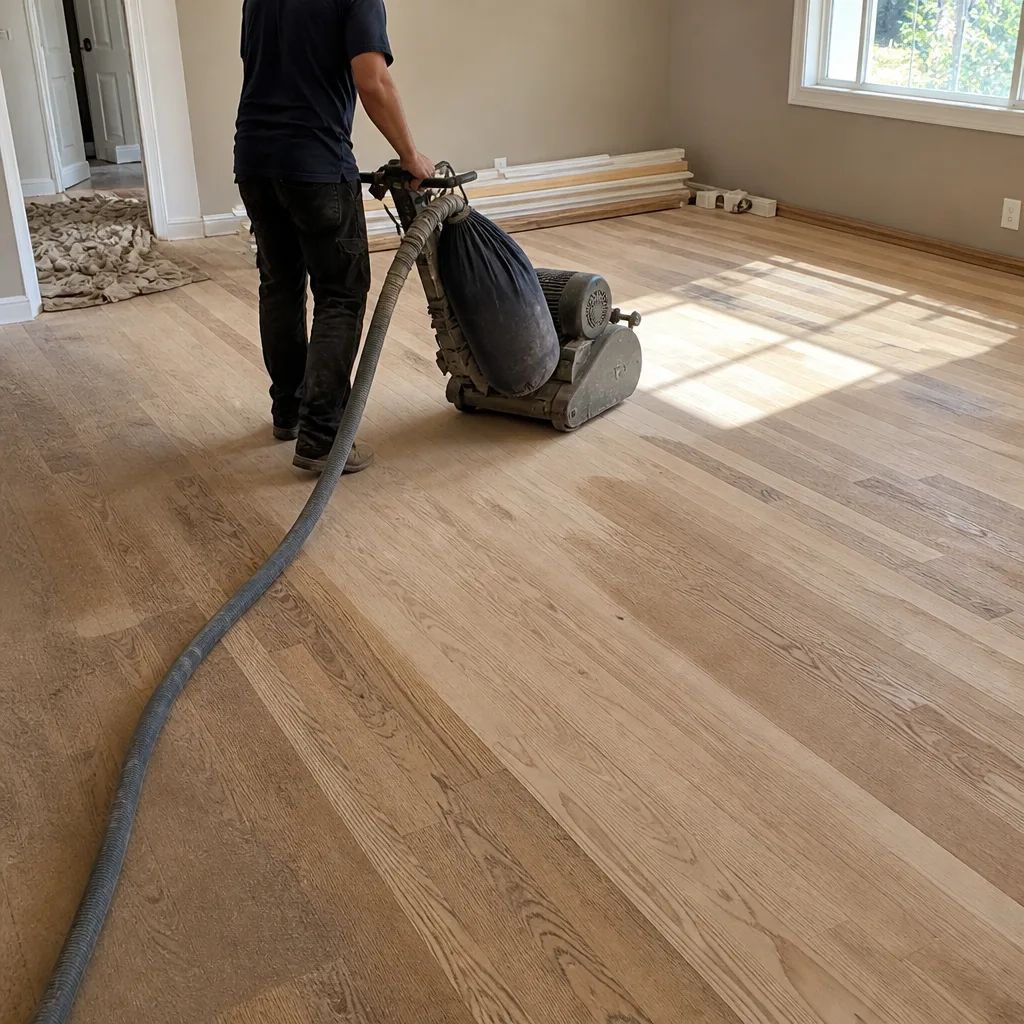
For well-known brand products and for luxury vinyl flooring in particular, ask whether the installer has completed the brand’s installer training specifically. For hardwood refinishing, ask how they handle stain matching and finish chemistry to get the result you want, not just the one that’s convenient.
- Which brands are you authorized to install?
- Can you provide the manufacturer’s installation requirements for the product I’ve chosen?
- Do you have prior experience with this specific product line, or is this your first install with it?
- For hardwood refinishing, what’s your approach to stain matching and finish selection?
Brand coverage across carpet, tile, luxury vinyl, laminate, hardwood, and porcelain tile means a specialist can offer honest product fit across categories, not just push the one line available. When we install carpet in Henderson or select tile, we match the product to the room, not the other way around.
Install-Day Logistics Questions
The logistics of install day matter as much as the technical details. Ask: “What’s the schedule for my job, and what do I need to do to prepare the space?” Booked installation is a scheduled job, not a same-day service. Your estimate visit establishes the scope, your written estimate sets the price, and your install day gets booked accordingly.
Questions worth asking about install day:
- What’s the plan for moving furniture? Is that included or my responsibility?
- Do you remove the old flooring, and is disposal included in the quote?
- How will you handle transitions to adjacent rooms (door jambs, thresholds)?
- What’s the plan for protecting the new floor from other trades who might come through after installation?
- Are there any prep steps on my side (removing wall fixtures, clearing the room, etc.)?
For apartments and rental properties in Henderson, ask about access and building-protection requirements: many multi-unit buildings have specific rules about service-elevator use and floor-protection during install. Get those details into the written scope.
Ask what happens with acclimation on multi-day installs: does the crew lay all product at once, or in batches? And if your install involves multiple rooms with different products, confirm the sequencing plan so the project flows without downtime.
Contract and Payment Questions Before Signing
Get these answers before any work begins:
- What’s the full written scope of work: materials, labor, removals, disposal, leveling, and transitions?
- What’s the payment schedule? (A typical structure is a deposit plus a final payment on completion, but the exact terms should be spelled out in writing.)
- What are the change-order terms: how much lead time before a change is added to the invoice, and how is the amount documented?
- What’s the schedule for re-scheduling if weather or material delays occur?
- Are permits required for this scope of work in Henderson, and who handles filing?
Every figure on the written estimate should be a firm quote, not a placeholder. If a line item says “materials: TBD,” that’s the item to get in writing before the crew arrives. The written estimate sets the final price.
Common Mistakes to Avoid
- Skipping the slab moisture test because Henderson is dry. Dry air doesn’t mean a dry slab, and moisture-related failures often show up months after the crew leaves. Ask for the reading in writing before signing.
- Assuming leveling is included. Leveling compound is often a change order. Ask explicitly whether it’s included in the quoted price and what flatness tolerance the quote assumes.
- Accepting a labor warranty without reading it. Manufacturer warranties cover product failures, not installation failures. If the installer’s warranty isn’t in the written contract, ask for it.
- Not asking who’s installing the floor. A salesperson who subcontracts the install may not be the person you call when something cracks, and the subcontractor’s accountability isn’t automatic.
- Picking a product without checking its installation rating. A glue-down-rated product and a float-only product look similar on a sample board. Get the product’s installation requirements before choosing.
- Ignoring acclimation requirements in a Henderson summer. Products should acclimate to the room before install, per the manufacturer’s instructions. If anyone proposes delivering and laying in a day, ask how that squares with the requirements.
- Signing before the full scope is in writing. Transitions, removals, old-floor disposal, and door-jamb adjustments should all appear in the contract. Line items that appear on install day are negotiable only if they’re not already in the quote.
See the difference
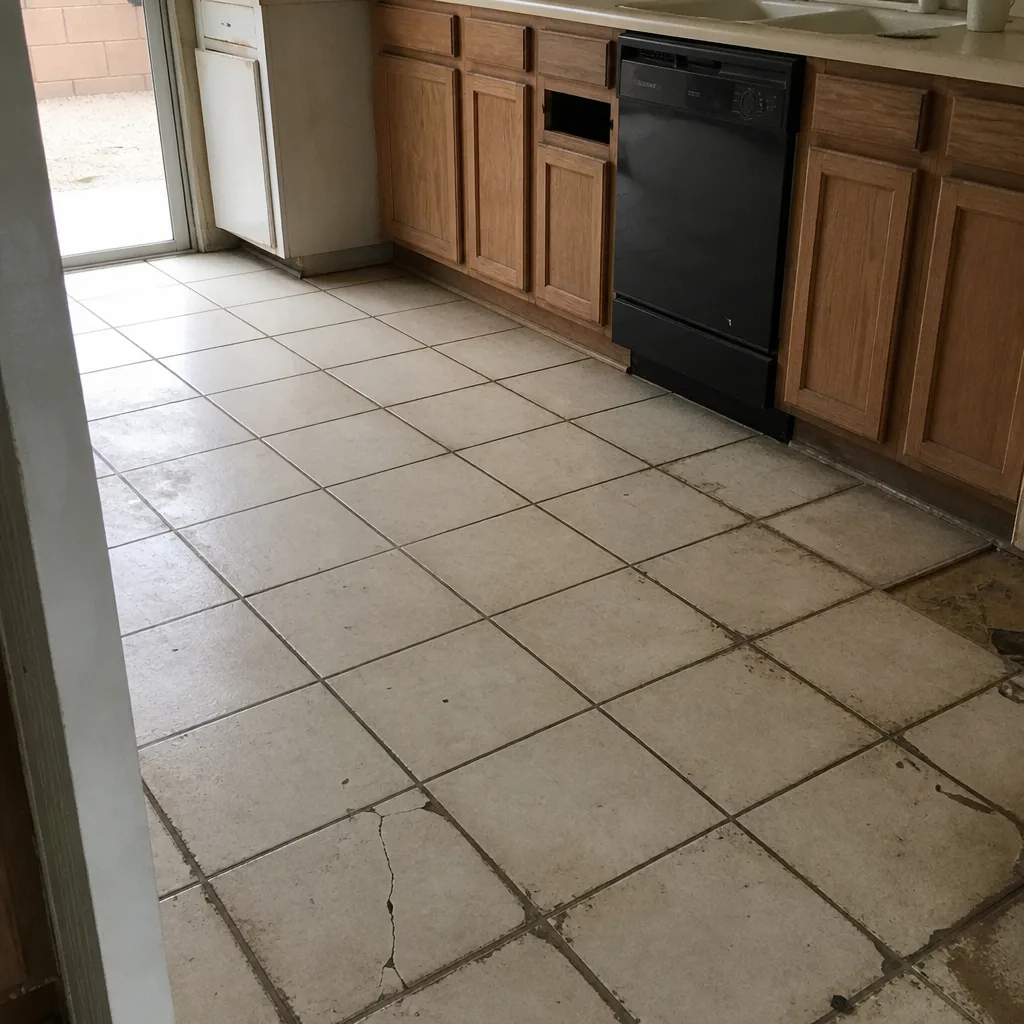 Before
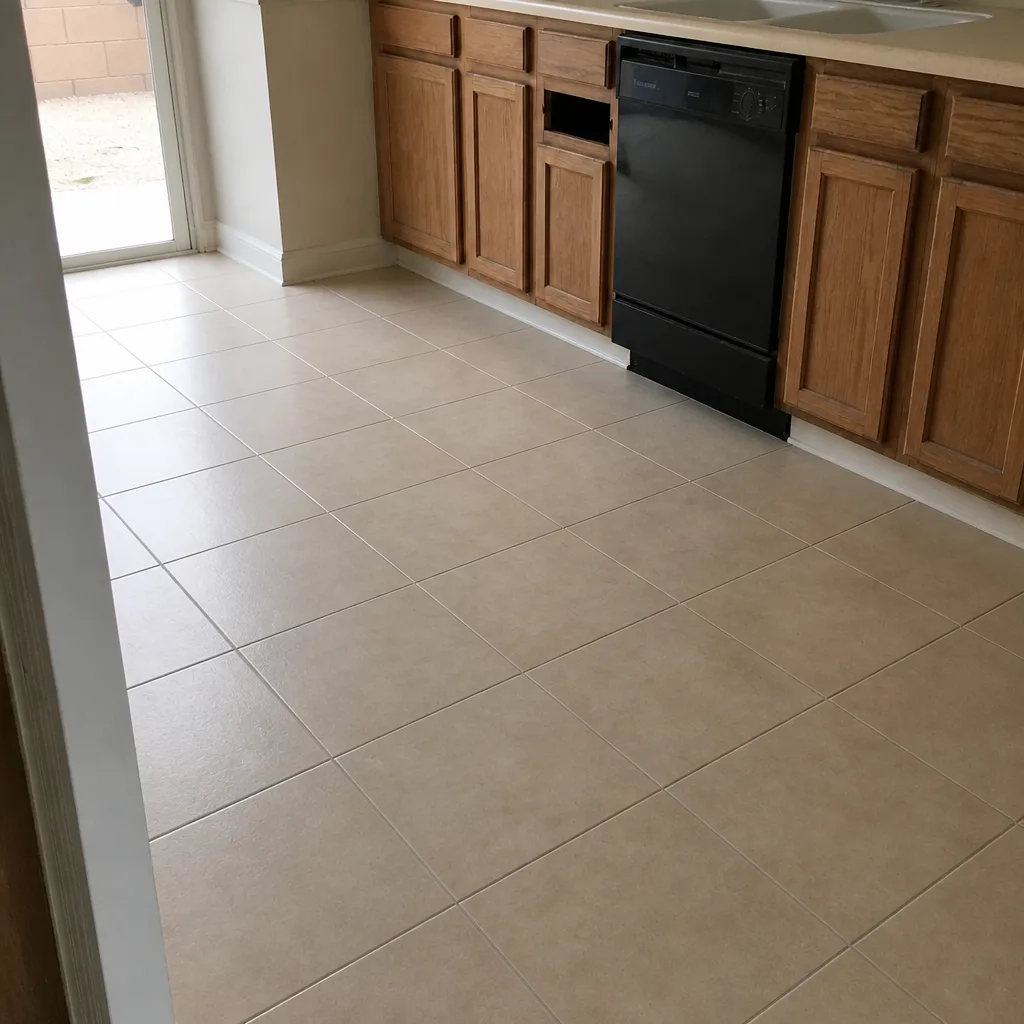 After
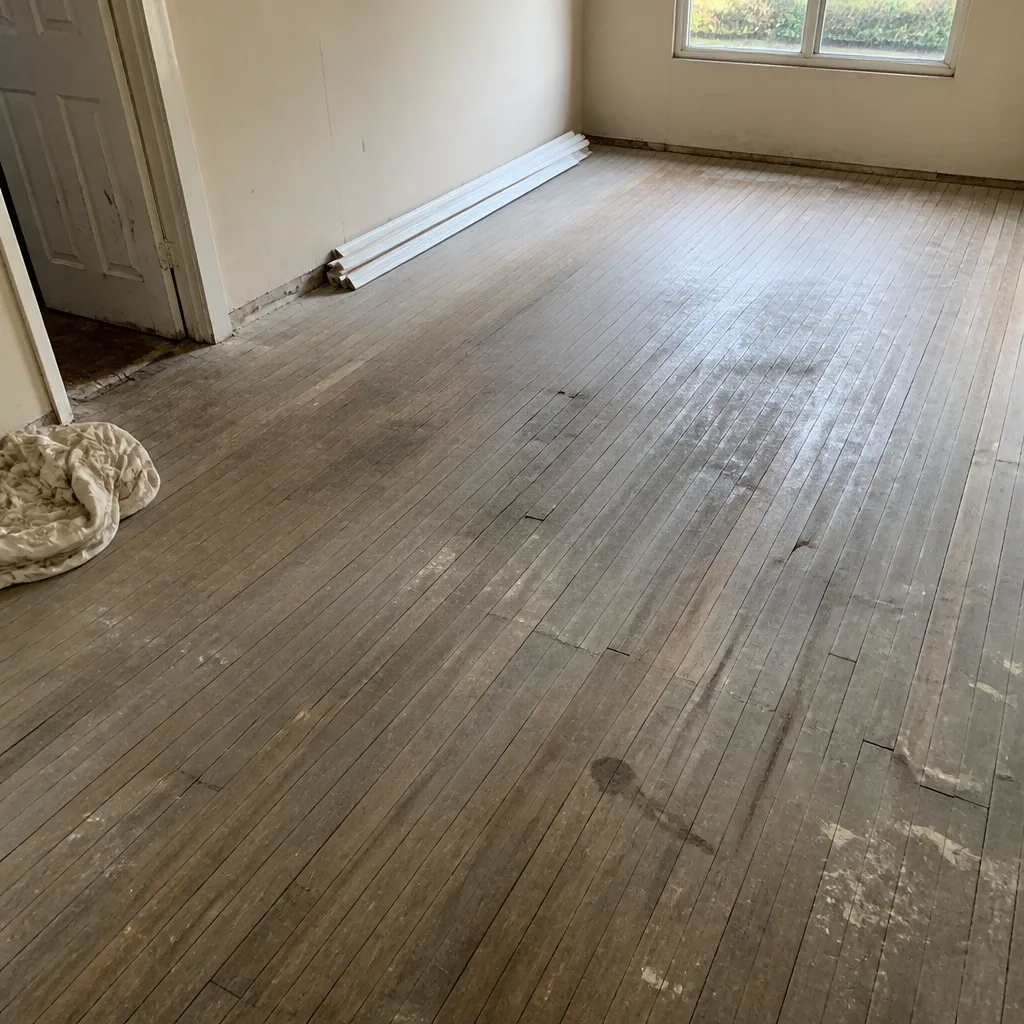 Before
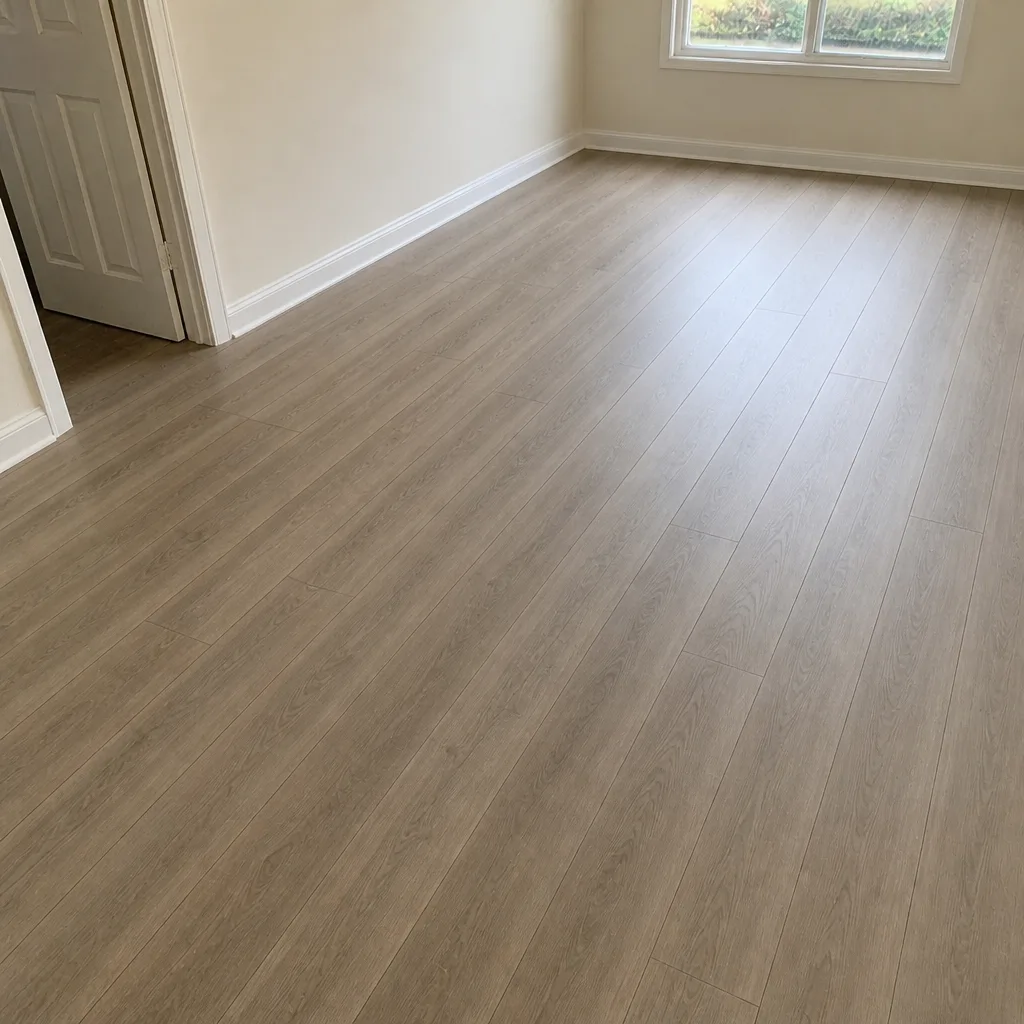 After
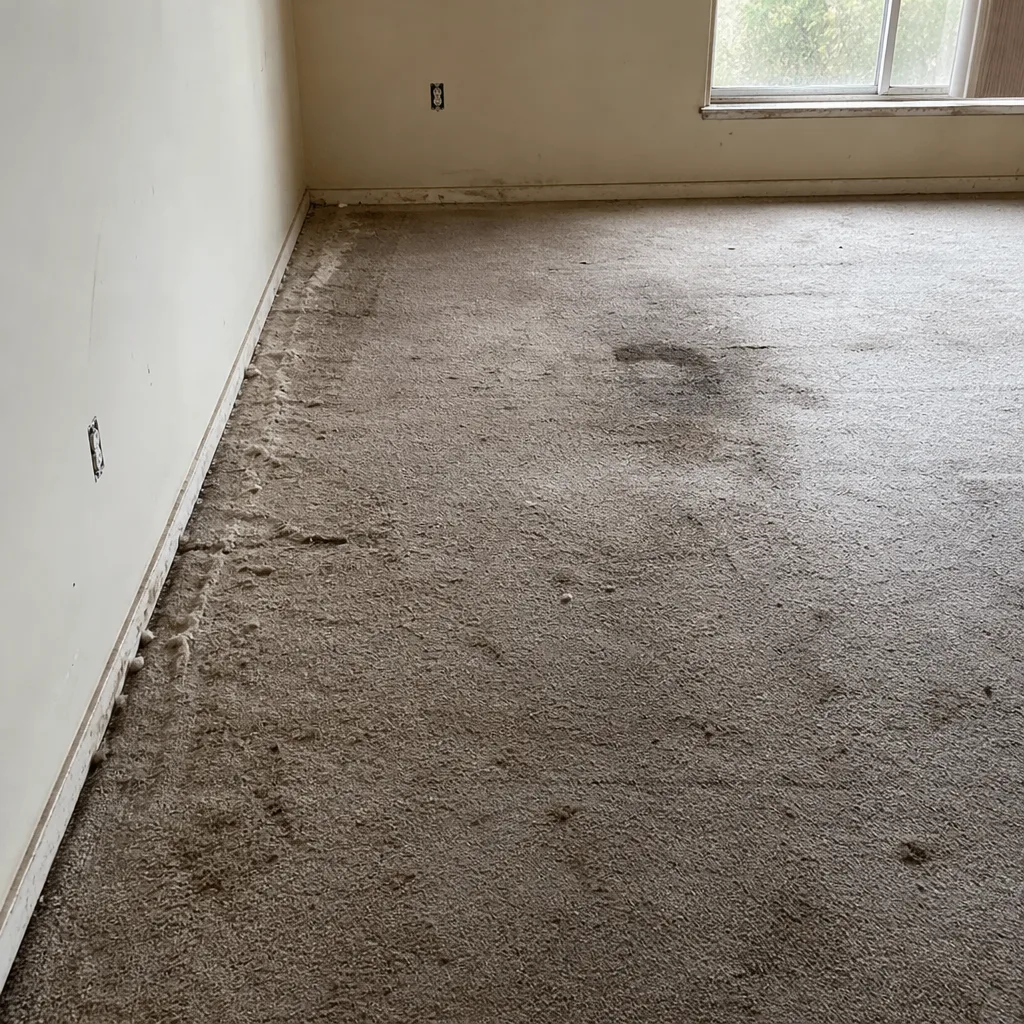 Before
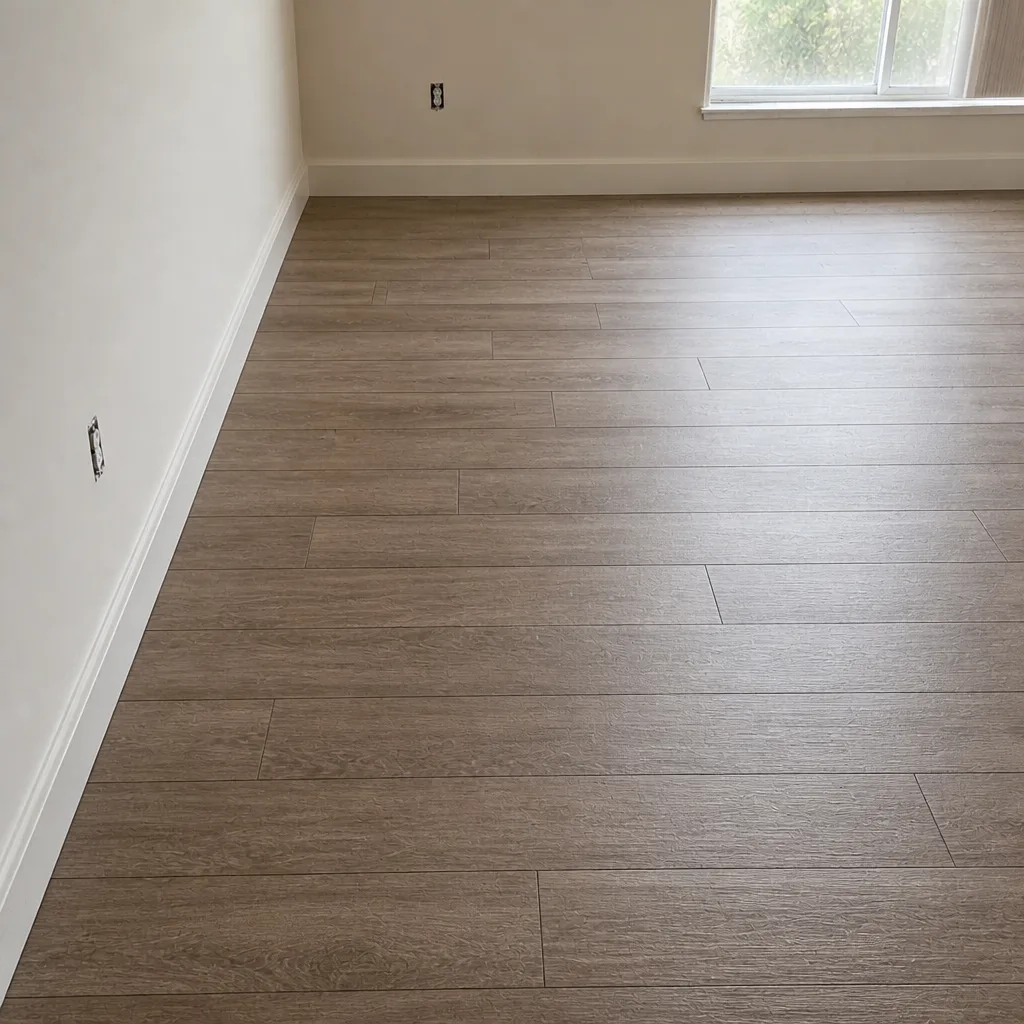 After
When to Call a Professional
Call a flooring specialist for any job involving slab moisture testing, subfloor leveling, or warranty concerns tied to a manufacturer’s installation requirements, because those are the points where a generalist’s shortcut becomes an expensive repair. Call earlier, at the measure visit, if you’re comparing luxury vinyl products from Shaw or COREtec and want to understand the real tradeoffs before you buy. For a job combining carpet and tile on the same floor plan, or for a hardwood refinishing assessment, call before materials are ordered so the scope is locked down before you sign. Flooring Installation Henderson offers free estimates in Henderson. Call (888) 721-9818 to schedule yours.
Frequently Asked Questions
Ask for their license number, their labor warranty in writing, and the manufacturer’s installation requirements for the product you’re buying. An installer who can produce all three is organized and accountable. An installer who’s vague about any of those is a risk. Call (888) 721-9818 for a free estimate.
Yes. The climate is dry, but concrete slabs can retain moisture internally, and the reading determines whether a moisture barrier or a different product is needed. A contractor who skips it isn’t protecting you from a floor failure that shows up later. Call (888) 721-9818 to talk through your specific slab.
The tolerance depends on the specific product, not a universal number; each manufacturer publishes its own requirement in its installation document. Ask the contractor for the specific tolerance and how they measure it before signing.
The installer’s labor warranty covers installation failures; the manufacturer’s warranty covers product defects. Those are separate and both should be in writing. Ask what happens if the manufacturer denies a claim because of a non-compliant installation. Call (888) 721-9818 for an exact quote, estimates are free.
A flooring specialist spends every day on subfloor prep, moisture testing, and product-specific installation requirements, which makes them better equipped to catch the issues that cause failure. A general contractor doing flooring alongside remodeling may not have the same depth. Call (888) 721-9818 to schedule a free estimate with a team that does only floors.
Check whether the quote includes stain selection and matching, finish type and number of coats, and how they handle patching or plank replacement. Refinishing works only if the wood is thick enough and in suitable condition, and that gets checked at the estimate visit, not over the phone. Call (888) 721-9818 for an assessment.
The Bottom Line
The questions worth asking before you sign a flooring contract aren’t about price; they’re about the technical decisions that determine whether your floor holds up. Slab moisture testing, subfloor flatness tolerance, product installation ratings, acclimation requirements, labor warranty terms, and license and accountability structure cover the ground where flooring installations succeed or fail. Get each answer in writing, from a team that does flooring installation in Henderson exclusively, and call (888) 721-9818 to schedule your free estimate.
Written by the team at Flooring Installation Henderson.