
Last updated November 18, 2026
 Hardwood
 Engineered hardwood
 Luxury vinyl plank
 Laminate
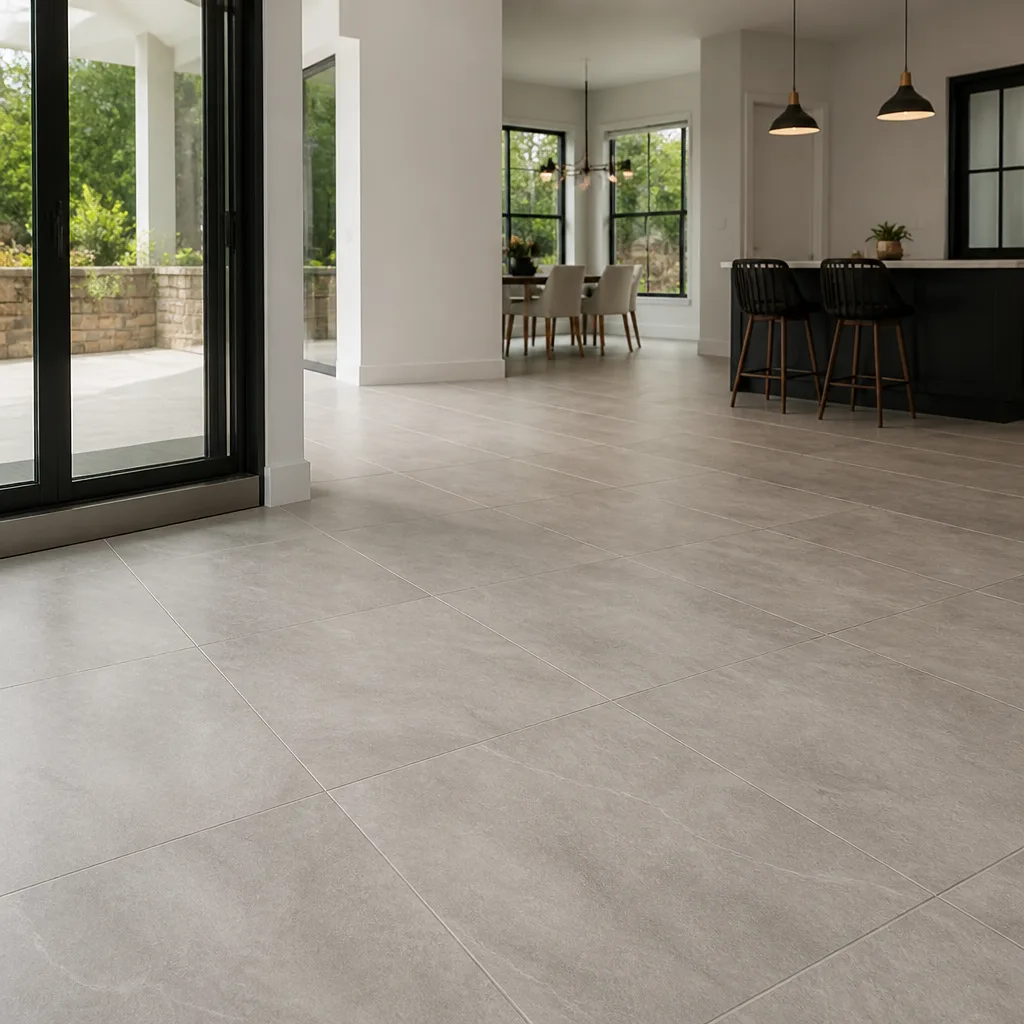 Porcelain tile
 Carpet
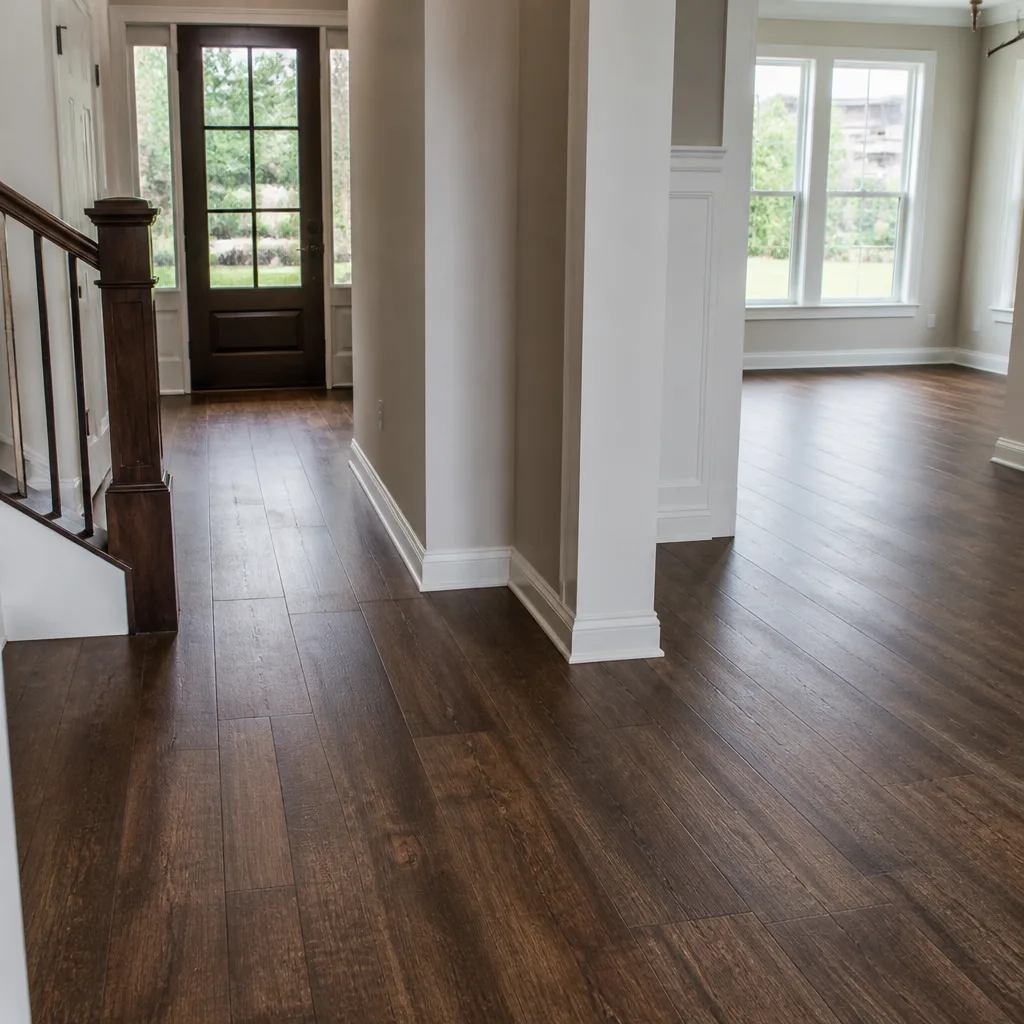 Shaw
 Mohawk
 COREtec
 Pergo
Free in-home measure and written estimate: Shaw, Mohawk, COREtec and Pergo lines compared on your own rooms, with carpet, tile, vinyl plank, laminate and hardwood laid out side by side
Get your free estimateWhat Happens at a Free In-Home Flooring Estimate in Henderson
If an estimator walks your Henderson home, quotes a price in 15 minutes, and never looks at your subfloor, you don’t have an estimate. You have a placeholder number that will change the moment installation starts. That’s the uncomfortable truth about how most flooring quotes work: the number that got you to sign is often the number that gets revised once the old floor comes up and something unexpected is underneath. A real estimate is an inspection with a price attached to it, not a tape measure and a per-foot figure delivered from the doorway. In this guide, we’ll break down exactly what a thorough free in-home estimate in Henderson should cover, the five things every legitimate assessment must include, the questions a good estimator asks you, how to read the written quote you’re handed, and how to spot a high-pressure close dressed up as a consultation.
Quick Answer
A free in-home flooring estimate in Henderson is a scheduled visit where a flooring specialist measures your rooms, identifies your subfloor material, takes a moisture reading, assesses existing floor removal, counts transitions and thresholds, and asks about how you live in the space. The result is a written, itemized quote with a set price, clear exclusions, and labor and material terms spelled out. The visit is free and comes with no obligation to book.
Styles & brands we work with
- Hardwood
- Engineered hardwood
- Luxury vinyl plank
- Laminate
- Porcelain tile
- Carpet
- Shaw
- Mohawk
- COREtec
- Pergo
Table of Contents
- The Five Things Every Legitimate Estimate Must Include
- The Questions a Good Estimator Should Be Asking You
- Why the Subfloor Matters More Than the Product
- How to Read the Written Quote You Receive
- Estimate vs. Binding Quote: The Difference That Matters
- What a High-Pressure Close Looks Like
- How Brand Selection Fits Into the Estimate
- From Estimate to Install Day: What Happens Next
The Five Things Every Legitimate Estimate Must Include
A real flooring estimate in Henderson covers five separate checkpoints, and any one of them can change the final price. If an estimator skips one, the quote they hand you is a guess, not an assessment. Here’s what to look for, and what each one tells you about the job ahead.
- Square footage measurement, room by room. Not a rough guess from the doorway. A proper measurement walks each room, notes the shape, accounts for closets and alcoves, and records the total. This is the baseline every product quantity is calculated from.
- Subfloor material identification. Concrete slab, plywood, particleboard, or something else entirely. In Henderson, slab-on-grade construction is common, and slab behaves very differently from wood subfloor when it comes to moisture, leveling, and what adhesive or underlayment a product needs.
- A moisture reading. This is the step most homeowners don’t know to expect, and it’s the one that matters most in a desert climate. Moisture can travel up through a slab from below even in dry weather. A reading tells the estimator whether the subfloor needs treatment before any floor goes down.
- Existing floor removal assessment. What’s there now, how it’s fastened, and how much labor it takes to get it up. Tile removal is heavier work than pulling carpet. Glued-down flooring takes longer than floating. The removal line on your quote should reflect an actual look at the floor, not a standard assumption.
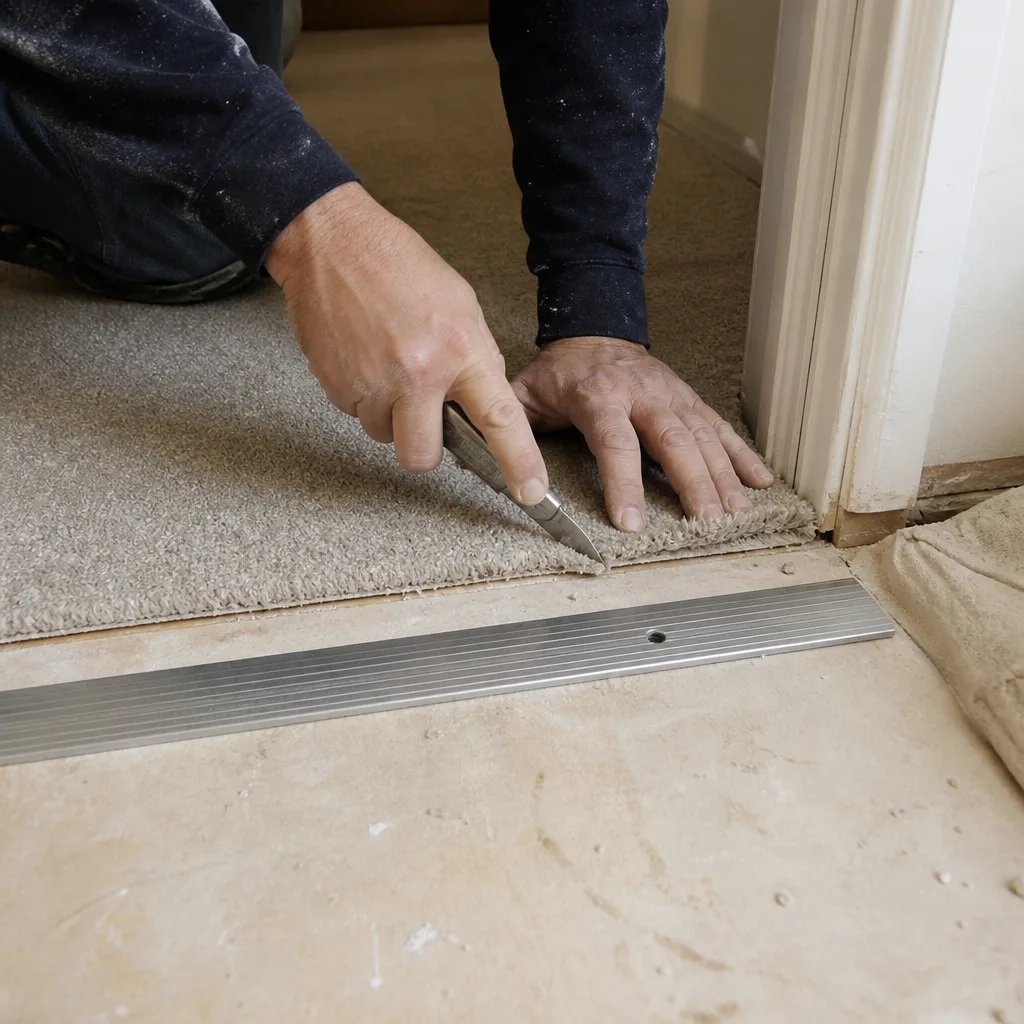
- Transition and threshold count. Every doorway, every change of flooring material, every room where carpet meets tile or hardwood meets vinyl. These pieces are small but they add up, and a quote that estimates “a few transitions” instead of counting them is a quote that will grow.
When all five are done, the estimator has what they need to build a real number. When you see our team at Flooring Installation Henderson walk through a home, this is the sequence we follow, and it’s the same sequence we’d tell you to expect from any installer you hire in Henderson.
The Questions a Good Estimator Should Be Asking You
The product conversation only works after the lifestyle conversation. An estimator who starts talking about brands before they know how the room is used is selling, not assessing. Here’s what a thorough assessment should ask, and what it means if the questions don’t come up.
Lifestyle and room use
How many people live in the home? Do you have pets? Kids? Is the room a high-traffic hallway or a guest bedroom that gets used twice a year? These answers shape the product recommendation more than any brand catalog can. A room that takes constant foot traffic from pets and kids needs a resilient product like LifeProof or a hard tile, while a bedroom can comfortably take a softer carpet. If the estimator asks nothing about how you actually live in the space, they’re not matching product to room; they’re quoting a price.
Sun exposure
Henderson gets intense sun most of the year. South- and west-facing rooms pick up heat and UV that can affect how certain materials perform and fade over time. A good estimator will ask which rooms get direct sun and steer you toward products that hold up well under it. Carpet near a sunbaked window will wear differently than carpet in an interior room, and that’s worth knowing before you choose.
Timeline
When do you want the floor installed? Are you working around a move, a rental turnover, or a home sale? The timeline shapes which products are practical to order and how the install day gets booked. It’s also a legitimate question for a rental property owner who needs a turnover done between tenants.
HVAC consistency
This one surprises homeowners: a flooring estimator should ask about your heating and cooling. Homes that are climate-controlled year-round and homes that sit closed up for months behave differently, and the answer affects how certain materials are handled before installation. A qualified installer will ask, and will adjust the recommendation based on what you tell them.
What it means if they don’t ask
If none of these questions come up in the visit, the person in your home is going room to room with a tape measure and a price sheet. That’s a quote, not a consultation. It’s a sign they’ll be selling you whatever they have on hand rather than matching the product to your actual needs.
Why the Subfloor Matters More Than the Product
Homeowners tend to focus on the surface – the hardwood, the tile, the carpet color. But the floor you see is only as good as what’s underneath it, and the subfloor is where most installation problems begin and end. In Henderson, we’re working on a lot of concrete slab, and slab has its own rules.
Concrete can wick moisture up from the ground below, and in a desert climate it’s easy to assume that’s not a concern. It is. Slab moisture doesn’t show up as a puddle on your floor; it shows up later as a curled plank, a lifted tile, or a carpet that smells musty after a year. A moisture reading during the estimate catches the problem before it’s buried under a new floor. If the reading is off, the subfloor may need a vapor barrier or a moisture-control system, and that gets priced into the estimate up front rather than discovered halfway through the install.
Wood and plywood subfloors have their own considerations, including flatness and how the old floor is fastened. An estimator who doesn’t look at the subfloor can’t tell you whether the floor needs leveling prep, whether there’s rot or softness, or whether the material you’ve chosen is even appropriate for the surface you have. This is why we say we match the product to the room, not the other way around. The subfloor is part of the room.
If a quote arrives without a line for subfloor preparation, that’s not a sign your subfloor is fine. It’s a sign nobody checked, and the prep cost will appear as a surprise later, after the old floor is already up and the install is committed.
How to Read the Written Quote You Receive
The written quote is the document that actually protects you. Read it line by line before you schedule anything, and look for four things: a line-item breakdown, explicit exclusions, labor terms, and material terms. If any of those are missing, ask for them in writing before the install day is booked.
Line-item breakdown
You should see the square footage and the material choice priced separately from the labor, the removal, the subfloor prep, and the transitions. A single lump sum tells you nothing about where the money is going, and it makes it impossible to compare quotes from different installers. When you can see the line items, you can ask specific questions: why is the removal priced higher here than there, what exactly does the subfloor prep cover.
What’s explicitly excluded
Every quote should state what it does not cover. Furniture moving. Appliance disconnection and reconnection. Old floor disposal. Baseboard removal and reinstallation. Site cleanup. These can be legitimate line items or they can be excluded, but you should know which before you sign. An honest installer tells you. A quote that’s silent on exclusions is often a quote that assumes you’ll handle them.
Labor terms
Labor should carry its own written terms, separate from the product warranty. This is where you’ll see what the installer’s workmanship commitment looks like, how a callback is handled, and what’s covered if something goes wrong. If the quote only talks about the manufacturer’s warranty on the product and says nothing about labor, ask. The material warranty covers the box; the labor terms cover the person who installed it.
Material terms
Brands like Pergo, Armstrong, and Mannington each publish their own terms, and the estimator should point you to the one that applies to your chosen product. The quote doesn’t need to spell out the whole document, but it should identify the product by name and confirm which warranty applies to it. If it doesn’t, ask which product line is on the quote and what that line’s coverage looks like.
Estimate vs. Binding Quote: The Difference That Matters
In plain terms, an estimate is a good-faith prediction of what the job will cost, and a binding quote is a fixed price the installer commits to. The two are not the same document, and knowing which one you’ve been handed tells you how much protection you have if the subfloor turns out to need work nobody expected.
Nevada contracting uses the term “estimate” to mean a proposed price, which by definition can change if the scope of work changes. That’s not a loophole a reputable installer hides behind; it’s an honest acknowledgment that some jobs have variables. The variables are usually the subfloor, the extent of removal, or hidden damage. A binding quote, on the other hand, commits the installer to a fixed number regardless of those variables, which is only safe for them to offer after a thorough assessment.
Here’s the practical rule: once you’ve received an estimate, ask whether it’s fixed. If it’s not, ask what specifically could change the number and under what conditions. A qualified installer should be able to name the variables. And if the assessment was thorough and the subfloor reading was clean, there’s no reason a fixed quote shouldn’t follow. If an installer refuses to convert the estimate to a fixed quote after a thorough inspection, ask why. The answer tells you a lot.
Before scheduling, insist on the binding version. It protects you, and it protects the installer from a dispute later.
What a High-Pressure Close Looks Like
A legitimate estimate process ends with a written quote and a genuine invitation to think about it. A high-pressure close ends with a pen in your hand and a reason you need to sign today. Here’s how to tell them apart.
- “This price is only good today.” A real quote doesn’t expire the moment the estimator’s car pulls out of the driveway. Pricing on flooring doesn’t swing wildly overnight, and a discount that vanishes is a sales tactic, not a consideration. Ask for the quote in writing and tell them you’ll review it.
- An unrequested follow-up before you’ve had time to read it. A follow-up is normal. A follow-up that arrives before you’ve had a chance to read the document, with urgency attached, is a pressure move.
- Refusal to put the quote in writing. Every legitimate estimate ends with a written document you can take time to review. If the only version of the price is spoken, that’s a hard stop.
- A hard push to upgrade on the spot. A good estimator will explain the difference between products and offer options. They will not require you to decide which tier you’re buying before they leave the room. Product decisions can wait until you’ve read the terms.
- An insistence on a deposit before you’ve reviewed the terms. A deposit is normal once you’ve decided to schedule. It is not normal before you’ve read the written quote and confirmed the scope.
A reputable installer wants you to feel confident in the choice. They’ll leave the quote with you, welcome questions, and not call you three times before dinner.
How Brand Selection Fits Into the Estimate
The product conversation is where the estimate turns useful. Once the five inspection points are done, the estimator knows the subfloor, the moisture situation, the room use, and the transitions, and that’s the information needed to recommend a product honestly. The recommendation should follow from the assessment, not the other way around.
In a Henderson home, that often means a resilient floor for high-traffic living areas and a softer surface for bedrooms. LifeProof and Pergo come up in conversations about busy households where water resistance and durability matter. Armstrong and Mannington offer a range of tiers within trusted lines, which lets an estimator recommend something within your budget rather than the most expensive product on the shelf. When the room calls for tile, Daltile covers stone-look porcelain and ceramic that handles the heat and foot traffic of a Henderson entryway or kitchen. Hardwood is still the choice for living rooms and main spaces where the visual matters most, and hardwood refinishing is worth discussing before you assume replacement is the only option.
A good estimate will present the brand options in the context of the room, not as a catalog. If the conversation is all about brand and never about the subfloor, moisture, and how you live in the space, the recommendation is not really a recommendation. It’s a pitch. For a broader look at what we install across the valley, see our flooring installation in Henderson overview.
From Estimate to Install Day: What Happens Next
The estimate is a scheduled visit. The install is a booked job. Those are two separate events, and the gap between them is where most homeowner anxiety happens. Here’s the sequence you can expect.
- The in-home estimate. A specialist comes to your home, walks the rooms, checks the five items, asks the lifestyle questions, and leaves with notes. The visit is free.
- The written quote. Follows within a reasonable window, itemized, with exclusions, labor terms, and material terms spelled out.
- Your questions. You review the quote, ask what could change the number, and confirm which product line you’re selecting. This is the part where you should feel free to take as long as you need.
- The fixed quote and booking. Once the scope is settled, the quote converts to a fixed price and a booking date is set. The written quote sets the final price.
- Install day. The crew arrives, confirms the plan, protects the rest of the home, and does the work. The schedule is set at the estimate, not during the visit.
- Final walkthrough. You walk the finished floor with the installer, confirm transitions and thresholds, and review the warranty terms on product and labor.
If you’re comparing products across carpet, tile, and hardwood, the same estimate covers the conversation for each. Our carpet installation and tile flooring installation pages show the range. The most important thing is that the estimate comes first, and the written quote comes with it.
Common Mistakes to Avoid
- Skipping the subfloor and going straight to price. A price without a subfloor assessment is a placeholder. Insist that the subfloor is looked at before any number is quoted.
- Accepting a spoken quote. If the estimator quotes a number from the kitchen table but doesn’t leave a written document, you have nothing to compare or hold them to. Ask for it in writing.
- Not asking about moisture. In Henderson’s climate, slab moisture is easy to overlook. If the estimator doesn’t take a reading, ask them to.
- Not counting transitions. Every doorway and material change is a line item. A quote that guesses at the number will grow once the install starts.
- Signing before the quote is fixed. An open estimate can change if the scope changes. Convert it to a fixed quote before scheduling.
- Not asking what’s excluded. Furniture moving, appliance handling, and old floor disposal are sometimes not in the quote. Ask what’s covered and what’s not.
- Confusing a material warranty with a labor warranty. The manufacturer covers the product. The installer covers the work. Ask for both, separately, in writing.
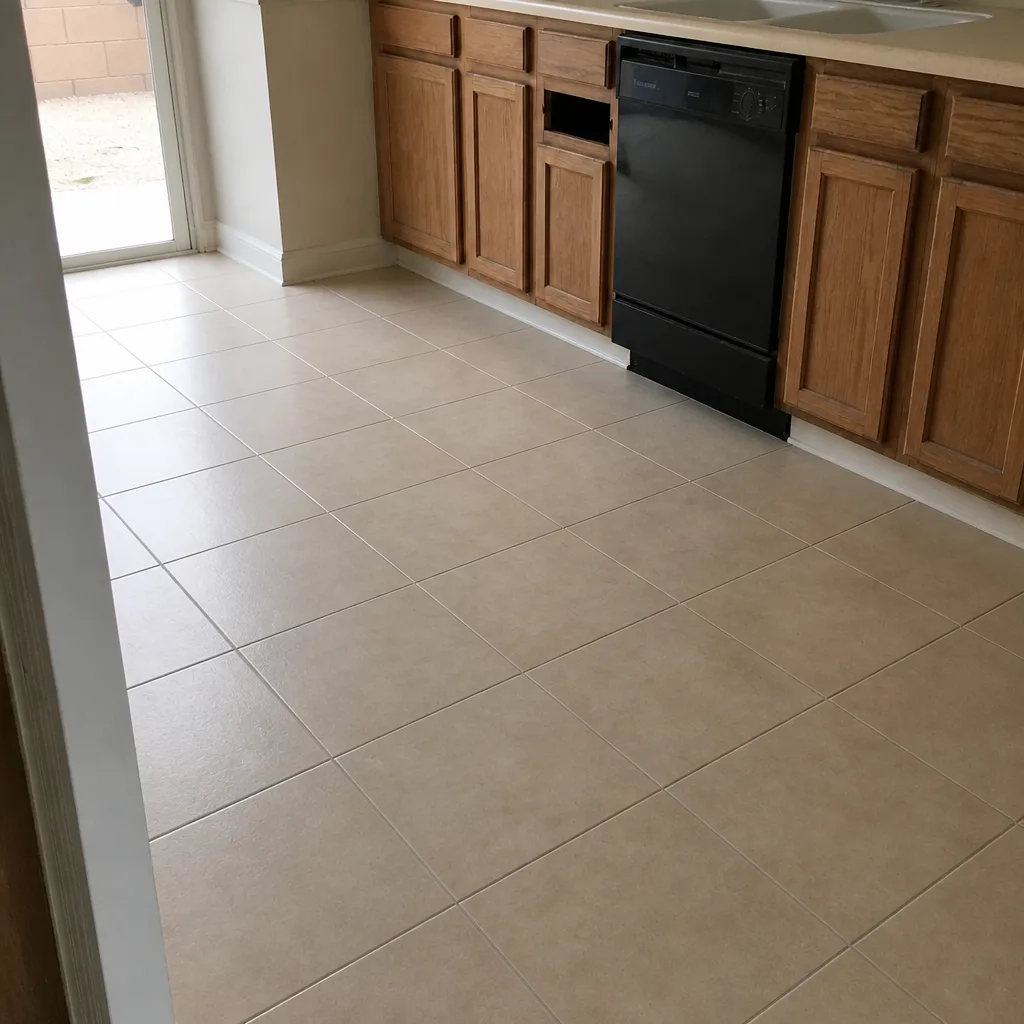
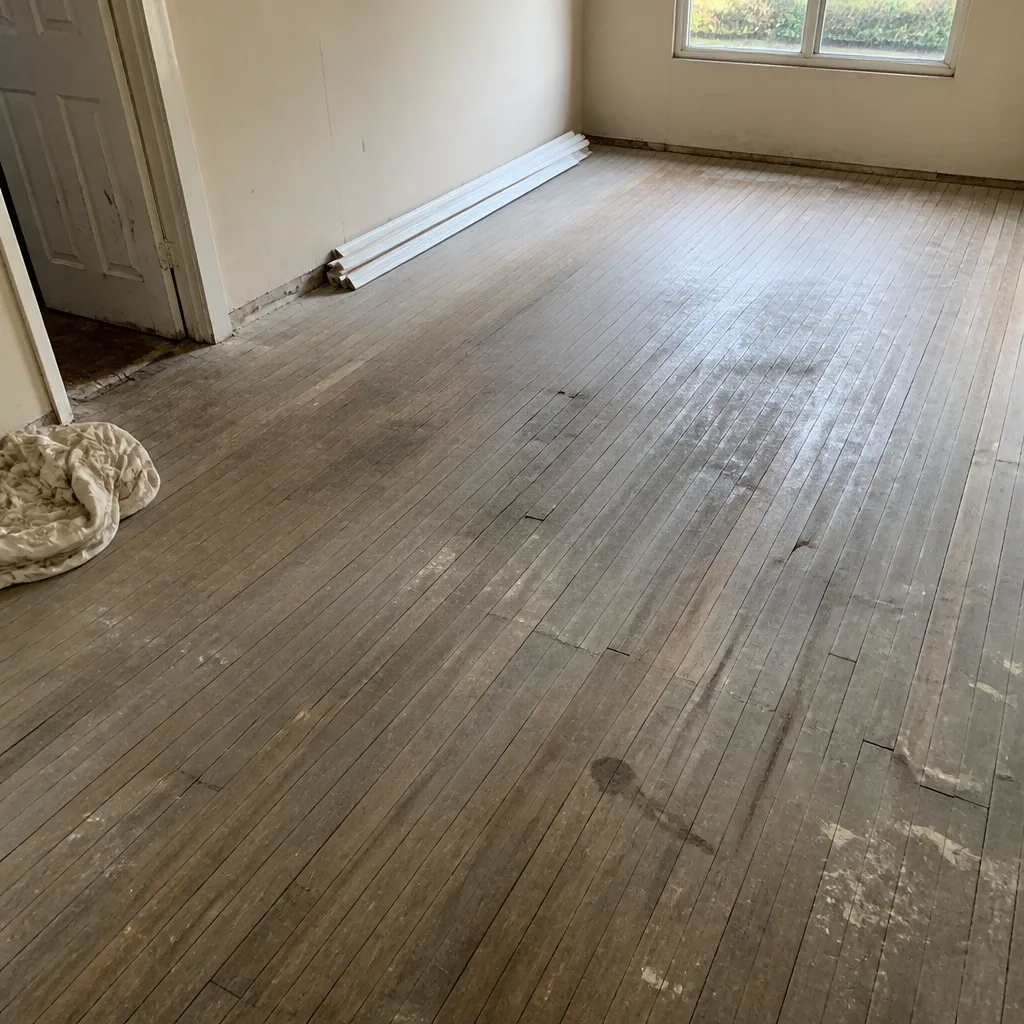
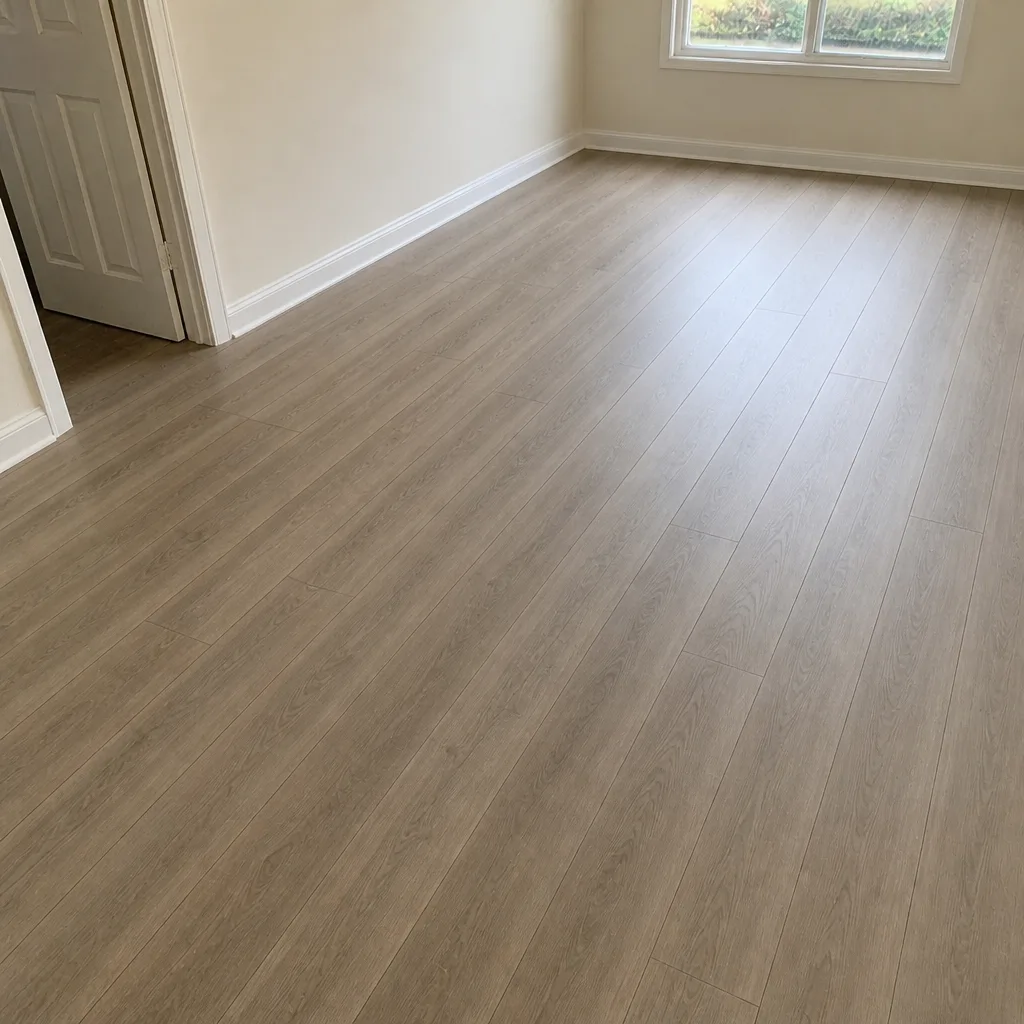
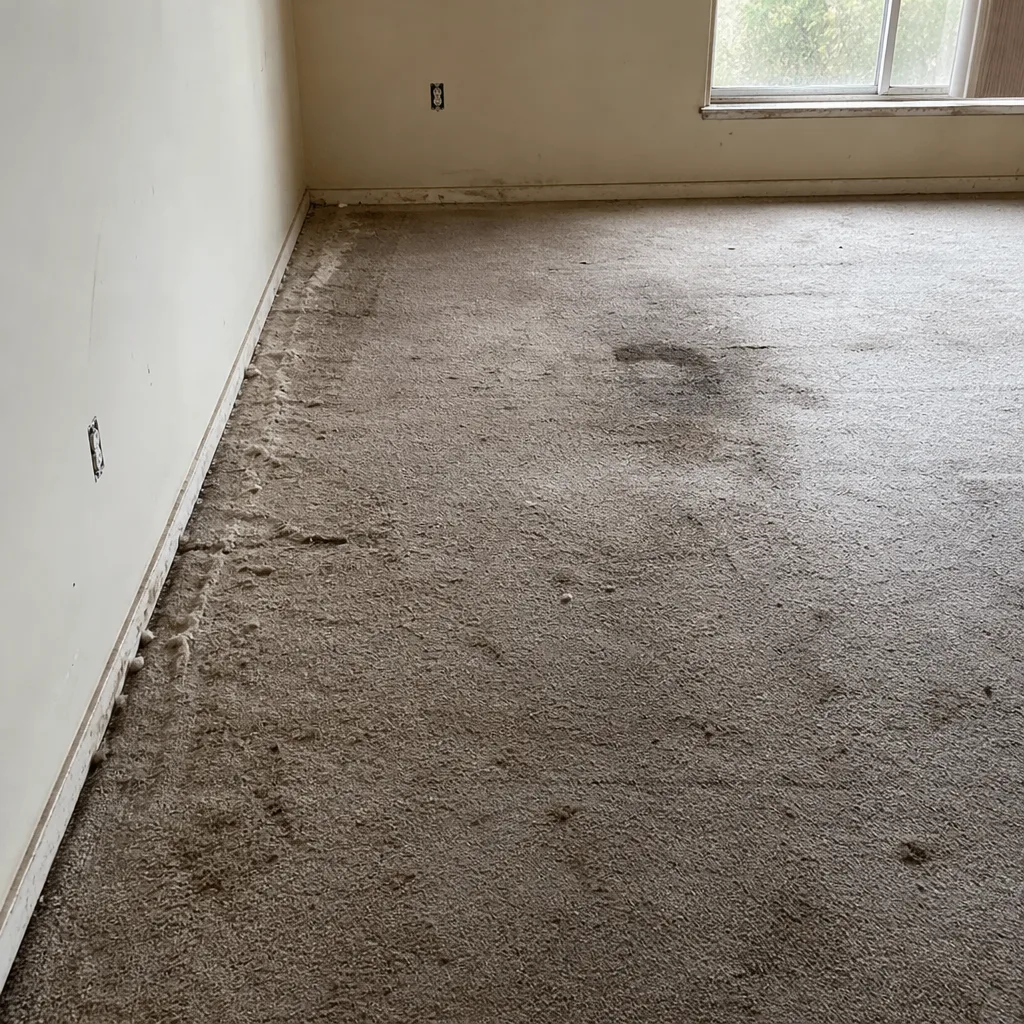
See the difference
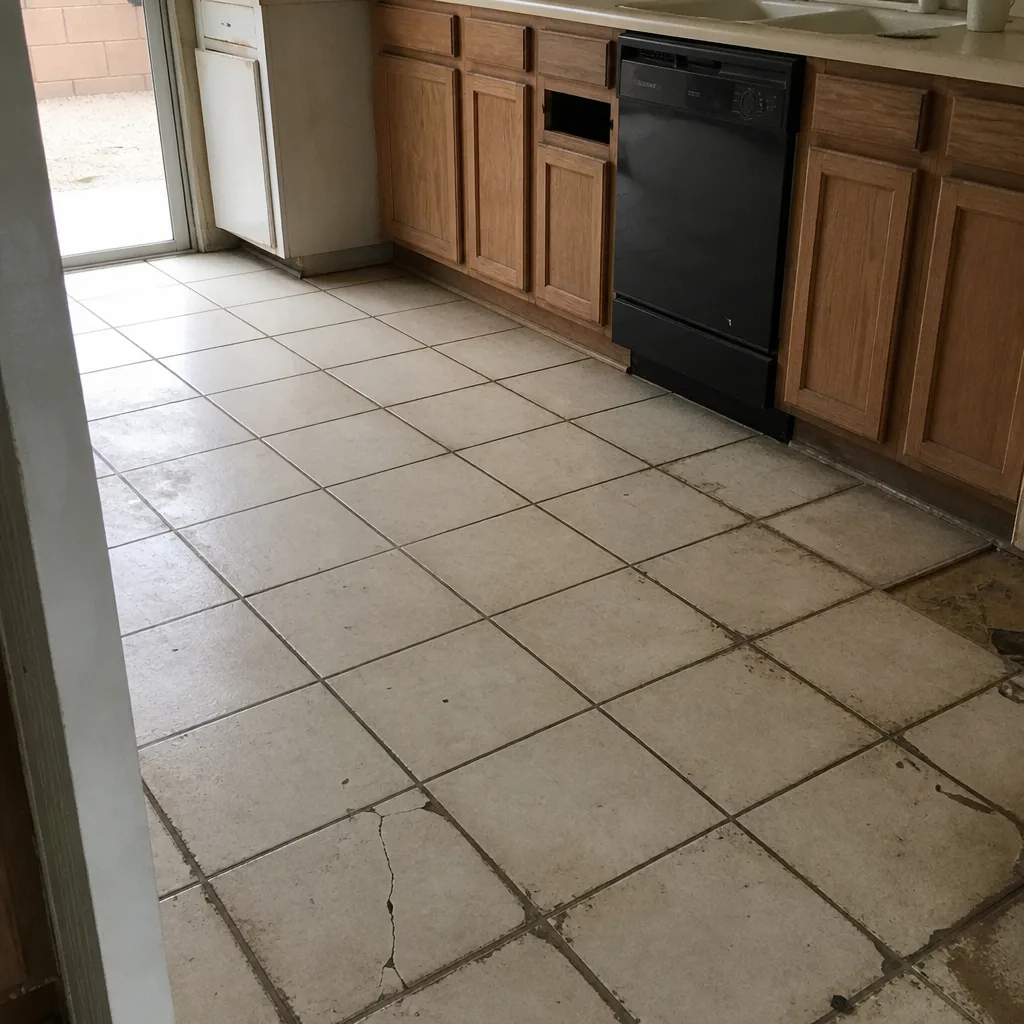 Before
 After
 Before
 After
 Before
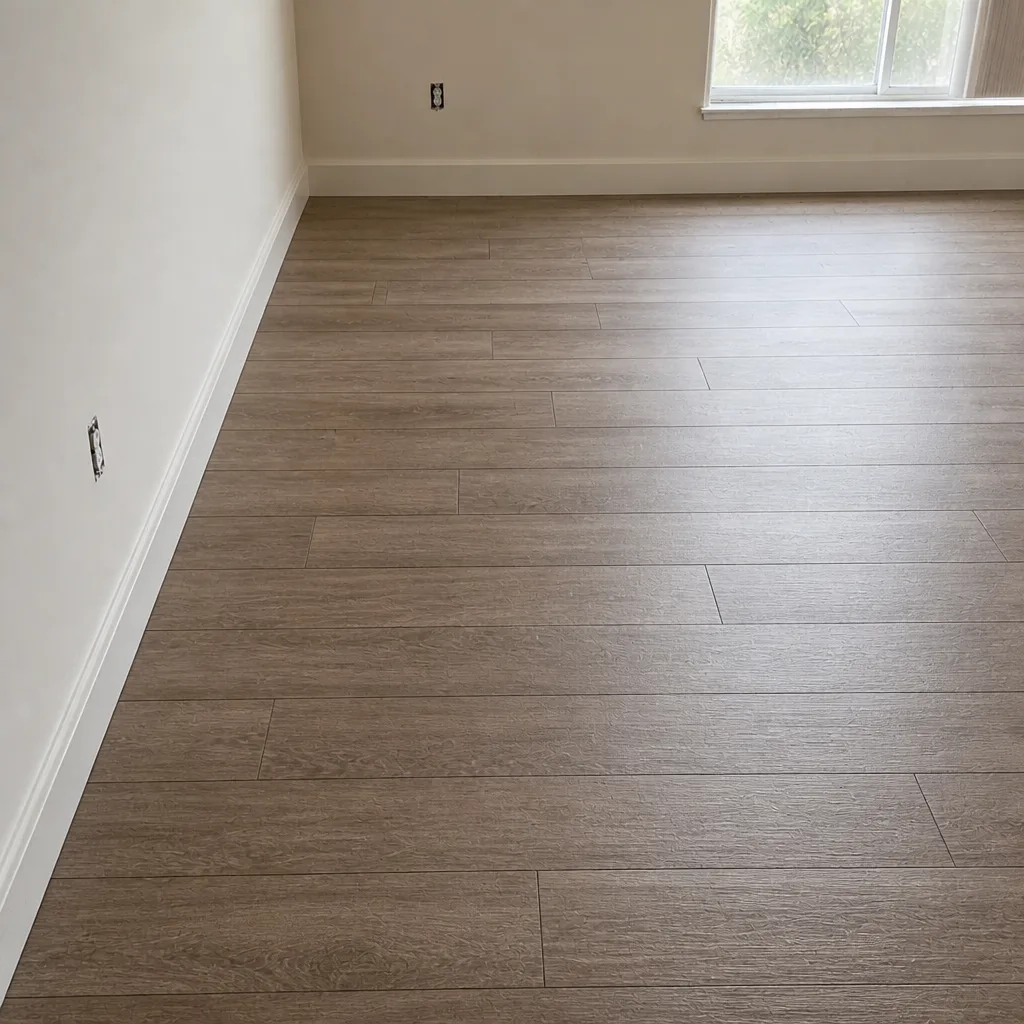 After
When to Call a Professional
You should call a professional when the floor is more than a cosmetic question. If the existing floor is lifting, curling, or showing gaps, that’s a sign of a moisture or installation problem someone needs to diagnose in person. If you’re planning a kitchen, entryway, or bathroom tile job where the subfloor and waterproofing matter, the assessment is not something to skip. If you own a rental property and need a turnover between tenants, a booked estimate in advance saves a lot of back-and-forth. If you’ve been quoted a price without an inspection of the subfloor, call for a second opinion before you sign. Flooring Installation Henderson offers free estimates in Henderson. Our technicians have up to 9 years of experience. Call (888) 721-9818.
Frequently Asked Questions
A flooring estimate from us is free. The in-home visit, the subfloor check, the moisture reading, the measurements, and the written quote all come at no charge. Call (888) 721-9818 to schedule yours. The finished price is set per job by the written estimate.
It’s genuinely free, and there’s no obligation to book the install. The estimate visit is how we assess the job; it’s not a sales appointment in disguise. If the quote doesn’t work for you, you keep it and move on. Call (888) 721-9818 for an exact quote on your job.
A thorough estimate takes longer than 15 minutes because it includes the five inspection points, the lifestyle questions, and the product conversation. Expect the specialist to walk the rooms, take measurements, check the subfloor, and talk through options. Call (888) 721-9818 to schedule your estimate.
Yes. The lifestyle and room-use questions are part of the assessment, and the specialist needs to see the rooms and the subfloor. If you’re a rental property owner, you or a representative should be present. Call (888) 721-9818 to coordinate the visit.
Have a rough idea of which rooms you’re re-flooring, what your budget range looks like, and whether you have a timeline. Gather any questions about the subfloor, moisture, or product options before the visit so the specialist can address them in person. Call (888) 721-9818 to schedule the estimate.
The installation length depends on the square footage, the product, and any subfloor prep the assessment identified. The schedule is set at the estimate, not on the day the crew arrives. Call (888) 721-9818 for an exact timeline on your job.
The Bottom Line
A free in-home flooring estimate in Henderson is only as useful as the assessment behind it. A thorough one covers five things: room-by-room measurement, subfloor identification, a moisture reading, existing floor removal assessment, and a count of transitions. The estimator should ask about how you live in the space, the sun exposure, your timeline, and your HVAC routine. The written quote should be itemized, with exclusions, labor terms, and material terms spelled out separately, and you should be able to convert it to a fixed price before scheduling. If a quote arrives after 15 minutes without a subfloor check, or if it comes with a deadline attached to the number, treat it as a placeholder. A real estimate protects both sides of the transaction.
For a free estimate in Henderson, call us at (888) 721-9818. We answer 24/7. Fast dispatch from 7am to 7pm, Sunday through Friday. We’re closed Saturday. The written estimate sets the final price.
Written by the team at Flooring Installation Henderson.