
Last updated November 18, 2026
 Hardwood
 Engineered hardwood
 Luxury vinyl plank
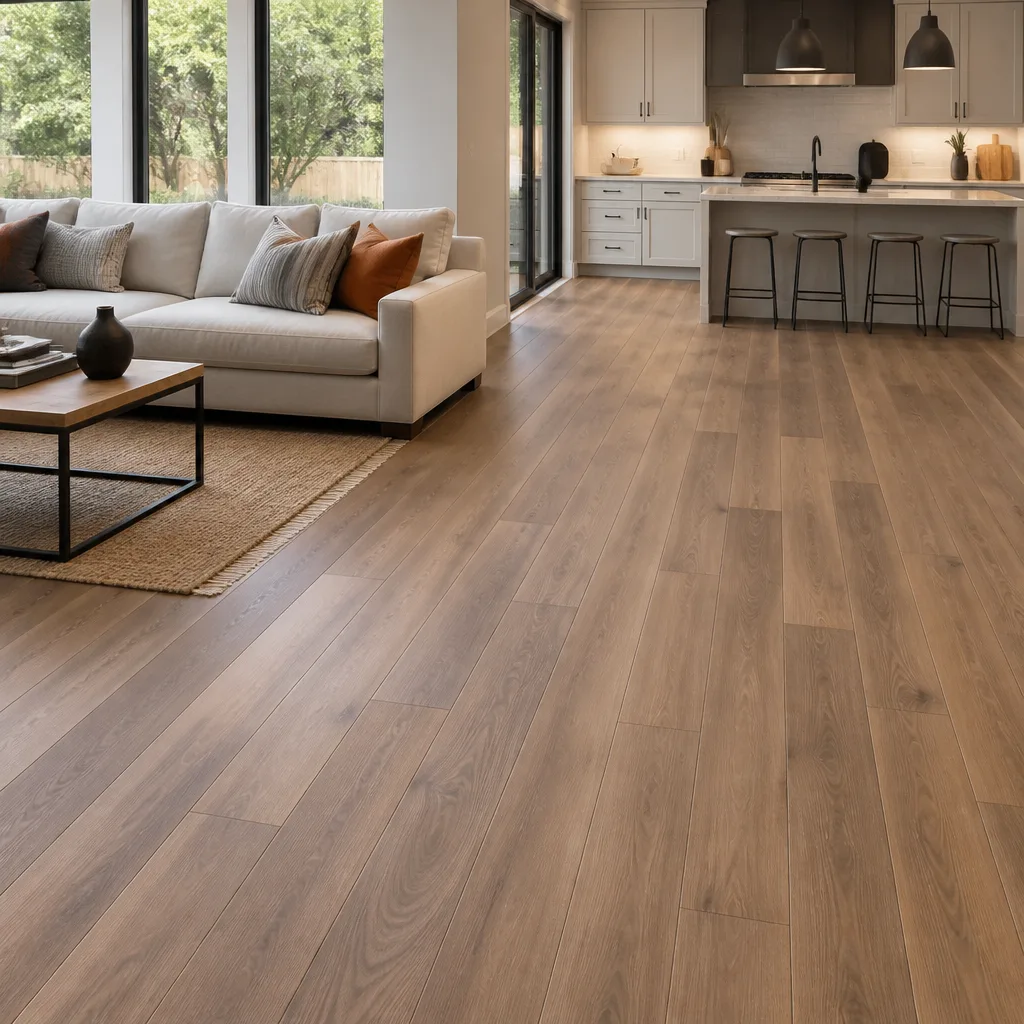 Laminate
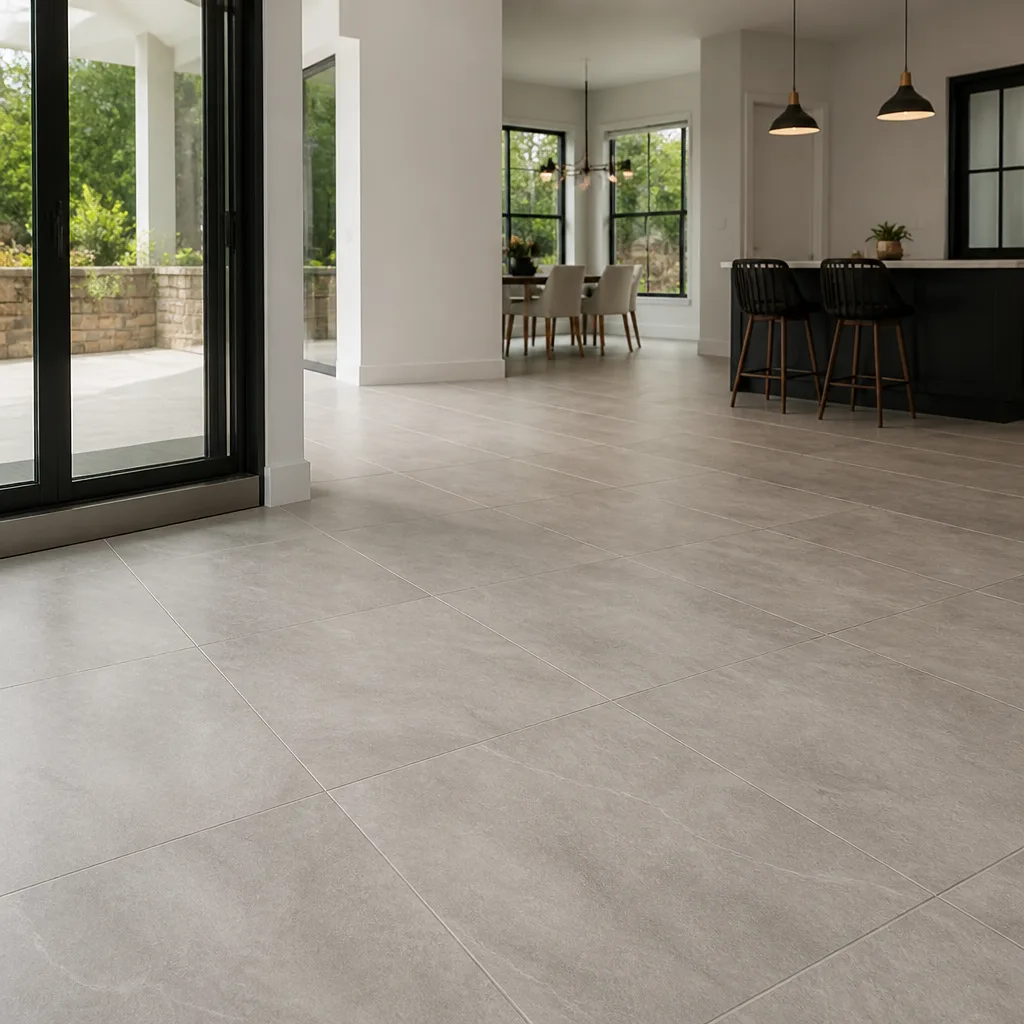 Porcelain tile
 Carpet
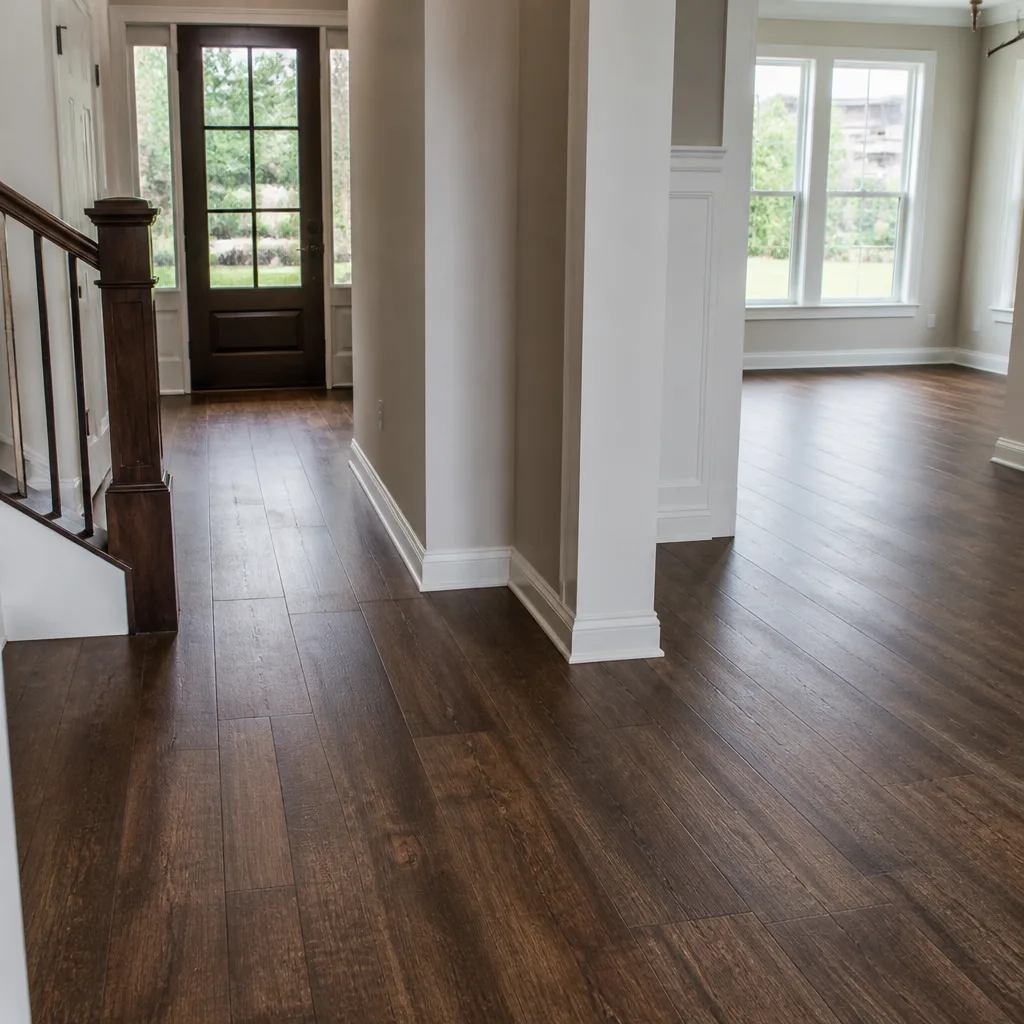 Shaw
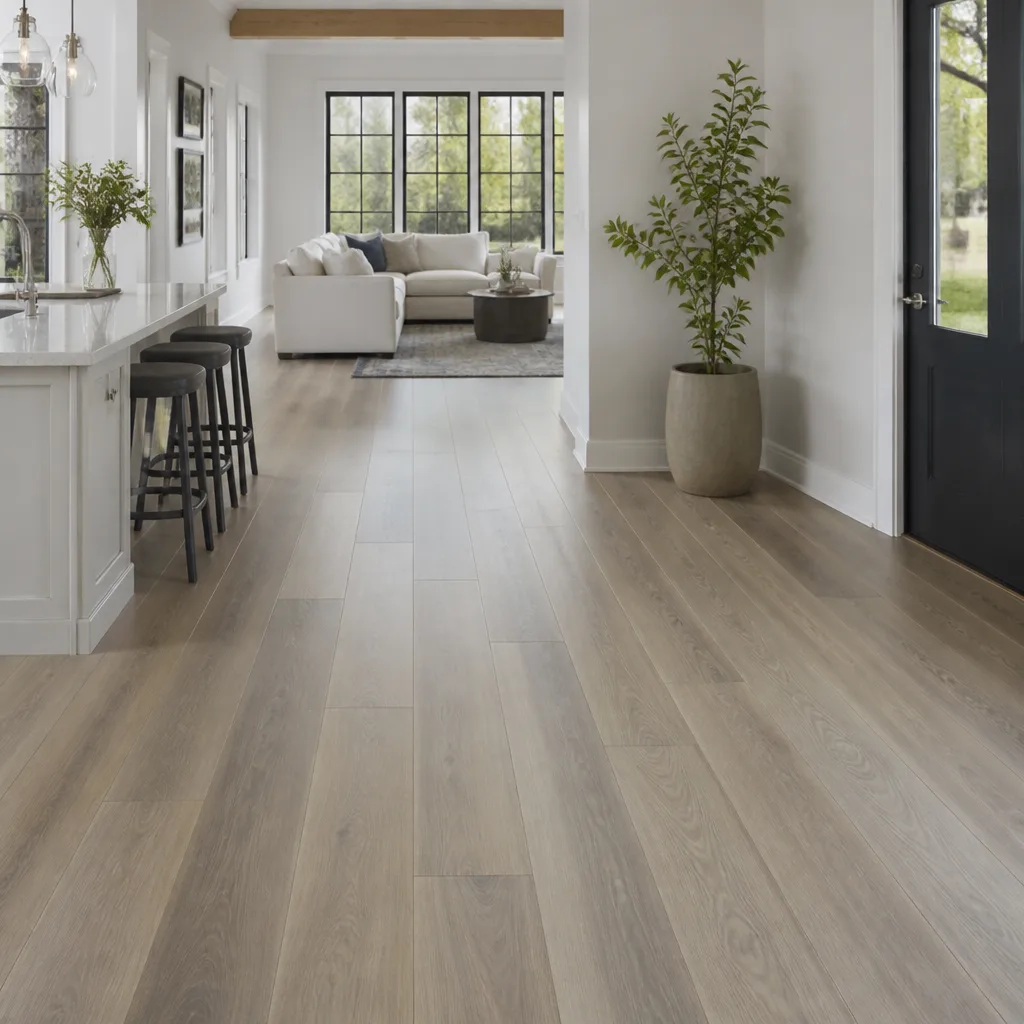 Mohawk
 COREtec
 Pergo
Free in-home measure and written estimate: Shaw, Mohawk, COREtec and Pergo lines compared on your own rooms, with carpet, tile, vinyl plank, laminate and hardwood laid out side by side
Get your free estimateHow to Care for New Flooring: Hardwood, Vinyl, Laminate, Tile and Carpet
Most flooring care guides are written for a generic American house: average humidity, soft water, mild sun. Henderson isn’t that house. Our water runs hard, our dust is fine enough to read as talc, our summer sun is brutal, and our indoor air in January is drier than a paper bag. Follow the care sheet that came in the box and you can end up with a hazy tile floor, a dull vinyl plank, or hairline scratches in hardwood you can feel with a fingernail but can’t see in photos. This guide covers what actually works here, room by room and material by material, so the floor you just paid for holds up through a Henderson summer and the dry stretch that follows it.
Quick Answer
Care for new floors in Henderson by matching the method to the material and to the climate: sweep or vacuum grit daily, damp-mop tile and luxury vinyl with a pH-neutral cleaner (diluted white vinegar helps on hard-water film, but only occasionally), keep hardwood on a dry routine and watch indoor humidity with a cheap hygrometer in winter, and vacuum carpet and rugs often because desert dust settles into pile fast. Protect every floor from UV with blinds, rugs, and where appropriate a UV-inhibiting finish, and never use steam, wax, or abrasive pads on any modern floor.
Styles & brands we work with
- Hardwood
- Engineered hardwood
- Luxury vinyl plank
- Laminate
- Porcelain tile
- Carpet
- Shaw
- Mohawk
- COREtec
- Pergo
Table of Contents
- Hard Water in Henderson: What It Does to Tile and Vinyl
- Desert Dust and Micro-Scratching: The Grit You Can’t See
- Hardwood Care in a Desert Climate: Humidity, Not Water
- UV Protection: Which Floors Need It and How Often
- Refinishing Intervals in Henderson vs. National Averages
- Material-by-Material Cleaning Routines
- The First 30 Days: A New-Floor Care Schedule
- Common Mistakes to Avoid
Hard Water in Henderson: What It Does to Tile and Vinyl
Henderson’s municipal water is famously hard, and hard water leaves a mineral film behind every time it dries on a surface. On ceramic and porcelain tile, that film shows up as a chalky haze in grout lines and on matte finishes. On luxury vinyl plank, it reads as a dull smudge that a standard floor cleaner won’t cut, and homeowners often assume the wear layer has failed when it’s really just mineral buildup. It hasn’t failed. It needs a different cleaning routine.
The protocol that works is simple and it’s the same for tile and resilient floors like those from COREtec or Karndean:
- Sweep or vacuum loose grit first. Never mop over dry dust; you’ll grind it into the finish.
- Mix a pH-neutral floor cleaner with warm water at the dilution the bottle states. More concentrate is not better.
- Damp-mop with a microfiber head. Wring it out until it’s barely wet. Standing water is the enemy on every hard floor.
- For visible mineral film, swap the neutral cleaner for a diluted white vinegar solution (roughly one part vinegar to four parts water) once every few weeks, then rinse with clean water and dry with a microfiber towel.
- Never mix vinegar with bleach or any other cleaner. Rinse and dry before switching products.
A few households in Henderson run a whole-house softener, and if yours does, the vinegar step is usually unnecessary. If your glassware spots up, your water is leaving minerals on the floor too. Clean your grout with a soft brush and the same neutral cleaner rather than a stiff scrub brush, which abrades grout and opens pores that hold more dirt. For homes with a lot of tile, our tile flooring installation team can walk you through what a specific tile and grout wants before you commit to a cleaning product.
Desert Dust and Micro-Scratching: The Grit You Can’t See
The dust that blows through Henderson in spring and settles on every surface through the dry months is finer than beach sand and harder than most people expect. Quartz particles in desert dust are abrasive. When they sit on a hardwood or laminate floor and get walked on, they act like very fine sandpaper, dulling the finish in the traffic lanes before you ever see a scratch with the naked eye.
Mat choice matters more than most care guides admit. Here’s how to think about it:
- Fiber (coir, sisal, microfiber) mats scrape and trap grit at the door. They’re the right choice at every exterior entrance and they need to be shaken out or vacuumed weekly.
- Rubber-backed mats are excellent for trapping moisture at the door but trap grit less effectively if they have a smooth surface. Put a fiber mat on top or beside them.
- Runners in traffic lanes (hallways, kitchen work zones, the path from the garage door) extend the life of any finish substantially. A $40 runner protects a floor that costs far more per square foot.
- Sweep or vacuum daily in high-traffic zones. A cordless stick vacuum with a soft brush head takes 90 seconds. That 90 seconds is the single best thing you can do for a new hardwood floor in Henderson.
If you have pets, grit from litter boxes and paws compounds the issue. Vacuum at the litter box and keep a microfiber mat in front of it. Towel-dry wet paws before they cross hardwood; water and grit together are worse than either alone. Laminate floors like those from Pergo or Mohawk handle grit better than hardwood, but they still scratch, and the fine haze of micro-scratches shows up over time on any finish.
Hardwood Care in a Desert Climate: Humidity, Not Water
This is the part of hardwood care that surprises newcomers. In most of the country, the concern is too much moisture. In Henderson, the problem is the opposite. Indoor relative humidity in the dry months can drop well below what solid and engineered hardwood prefer, and when wood loses moisture it contracts. That contraction is what causes the seasonal gaps between planks you’ll notice in January, and in extreme cases, checking along the plank edges.
You don’t need to guess. A cheap hygrometer from any hardware store or online retailer tells you exactly what your indoor air is doing, and it’s the single best $20 you can spend on hardwood floor care. Here’s the routine:
- Place the hygrometer in the room with the most hardwood, away from heat sources and windows.
- Watch it through the dry season. If readings stay low for weeks and you see plank gaps opening, it’s time to add moisture to the air.
- A room humidifier, run in the bedrooms or the main living area, usually brings the indoor air back into a healthier range for wood. You don’t need to humidify the whole house to protect the floor; you need to keep the floor’s room from going bone-dry.
- Never run a humidifier directly next to a wood floor, and never point it at the floor. Mist settling on wood is a separate problem.
The other half of hardwood care in a desert climate is protecting against spills and standing water. Wipe up any spill within a few minutes. Never wet-mop hardwood; a lightly damp microfiber mop is the maximum moisture a hardwood floor should ever see. Use felt pads under furniture legs, and lift-and-carry rather than dragging anything across the floor. If your wood needs a refresh rather than just a cleaning, refinishing is a real option, and our team at Flooring Installation Henderson can assess whether your floor has the thickness left to sand. Not every floor does, and that’s something an in-person look will tell you and a phone call won’t.
UV Protection: Which Floors Need It and How Often
Henderson’s solar exposure is intense, and UV does real work on any floor finish over time. Wood finishes, especially oil-based polyurethanes with UV inhibitors, break down under sustained sun: the finish dulls, the wood underneath begins to shift color, and the change is irreversible without resanding. Luxury vinyl and laminate aren’t immune; their printed pattern layer can fade under years of direct sun. Tile and porcelain are essentially UV-stable, so they don’t need protection from UV specifically.
Which floors need what:
- Hardwood: needs periodic reapplication of a UV-inhibiting finish, typically at intervals set by the product you used and the amount of direct sun the floor gets. In a south- or west-facing Henderson room with unshaded windows, that interval shortens. A refinish or screen-and-recoat restores the UV barrier.
- Laminate and LVP: doesn’t take a topcoat in the field, so the UV protection built in at the factory is what you have. Blinds, solar shades, and area rugs are the maintenance move.
- Tile and stone-look porcelain: no UV maintenance needed, though grout sealant should be reapplied per the sealer’s instructions.
The practical move for every room with large south- or west-facing windows is solar shades, blinds, or UV-filtering window film. Rotate area rugs a few times a year so the floor beneath them isn’t the only protected patch. If you want to know whether your existing finish still has UV protection left in it, or whether a screen-and-recoat makes more sense than a full sand, we can look during a free estimate and tell you.
Refinishing Intervals in Henderson vs. National Averages
National guidance says most hardwood floors need refinishing every 7 to 10 years. In Henderson, that range shifts in both directions depending on the floor and the room. The desert climate actually extends finish life in one way: low humidity means less moisture cycling, fewer swollen-then-shrunk seasons, and less strain on the finish. But UV intensity and abrasive dust accelerate wear in another way, especially in sun-drenched rooms and high-traffic zones. A shaded hallway floor here can go longer than the national number suggests. A sunbaked family room with three dogs might need attention sooner.
Signs it’s time to think about a recoat or refinish:
- Dull patches in traffic lanes that buffing doesn’t bring back
- White rings or cloudy areas from water or heat damage
- Visible scratches you can feel with a fingernail
- Worn finish at the edges, where bare wood shows through
A screen-and-recoat (light abrasion and a fresh topcoat) is less expensive than a full sand and is appropriate when the finish is worn but the wood is sound. A full sand and refinish is warranted when the wear is deeper or the color needs resetting. Whether a floor can be refinished at all depends on the thickness of the wood and its condition, and that’s checked at the estimate visit. “Refinish before you replace” is almost always the right priority for a sound wood floor.
Material-by-Material Cleaning Routines
Each floor category wants a different routine. Here’s the short version, with what’s specific to a Henderson home folded in.
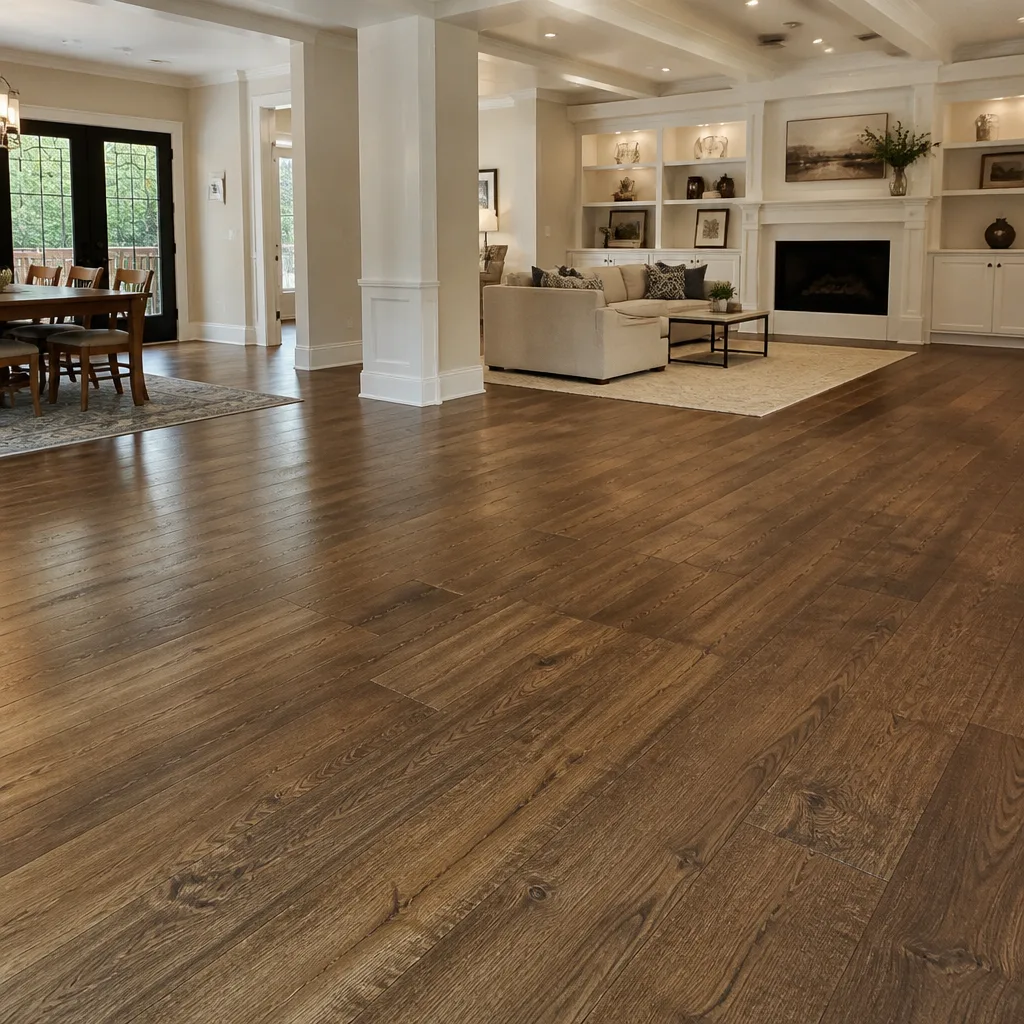
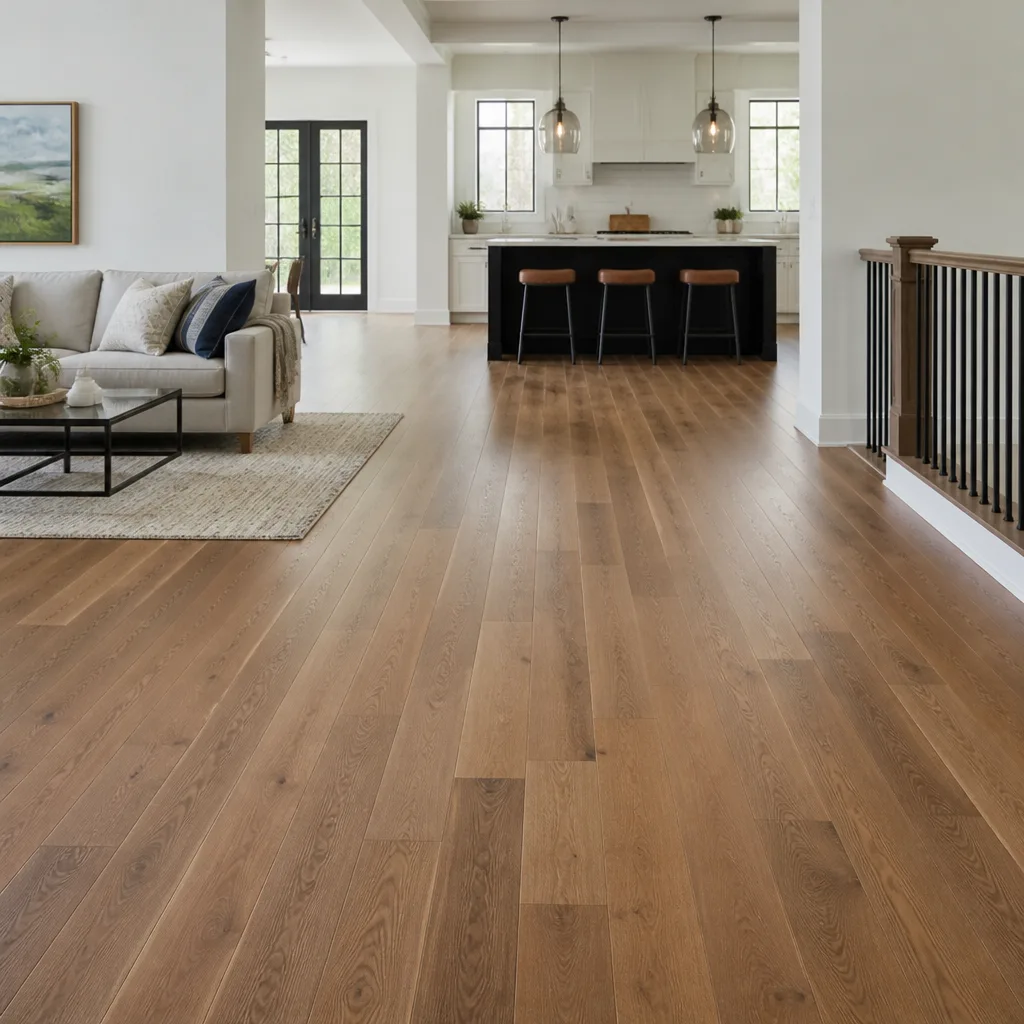
- Hardwood: vacuum or dry-dust daily in traffic lanes, damp-mop lightly with a wood-safe pH-neutral cleaner when needed, keep humidity monitored with a hygrometer, protect from UV with window coverings, felt pads under furniture.
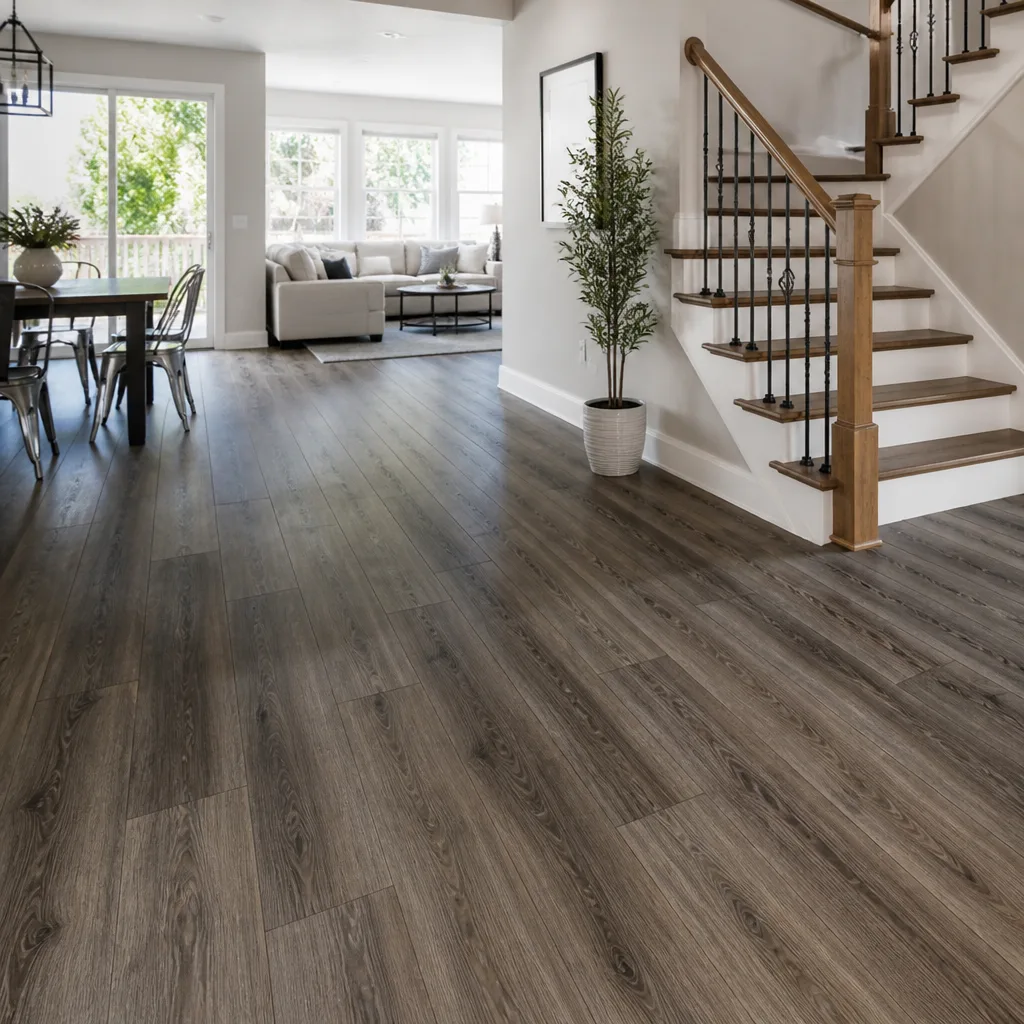
- Luxury vinyl plank and tile: sweep or vacuum grit first, damp-mop with a neutral cleaner, address hard-water film with diluted vinegar occasionally, never steam, never use wax, never use abrasive pads. Karndean and COREtec both hold up well in bathrooms and kitchens, but standing water and water from below still have to be dealt with, so wipe up puddles at the door.
- Laminate: same drill as LVP, but be particularly mindful of water at the seams. Laminate is water-resistant, not waterproof, and moisture intrusion swells the core. Never wet-mop. Never steam.
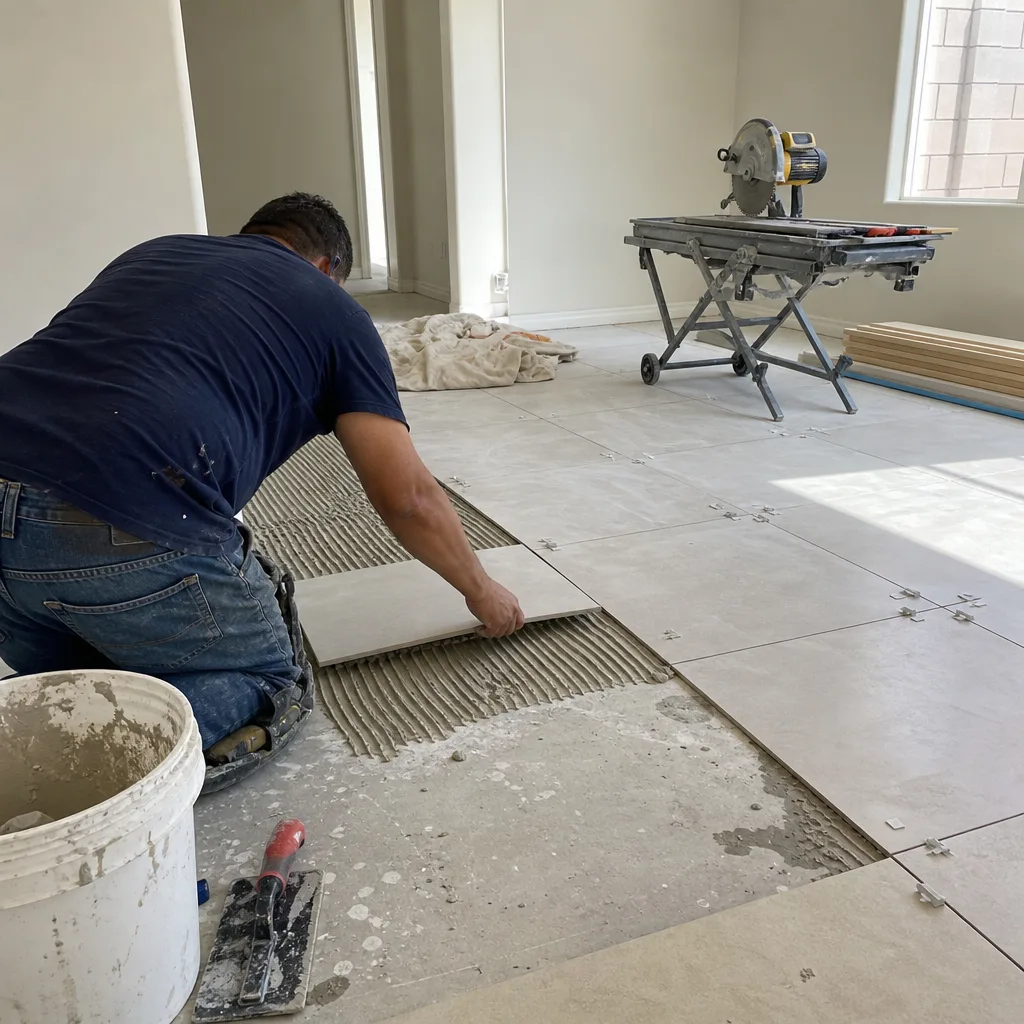
- Ceramic and porcelain tile: vacuum with a hard-floor head, damp-mop with neutral cleaner, and address grout haze with a soft brush. In Henderson, plan a diluted-vinegar pass every few weeks if a softener isn’t in place.
- Carpet and area rugs: vacuum at least once a week with a HEPA filter if allergies are a concern, and more often in homes near dusty corridors. Blot spills rather than rubbing. Professional cleaning intervals depend on the carpet fiber and household use; the product care instructions and your installer’s guidance set the schedule.
If your new floor is carpet, our carpet installation team fields care questions after the install all the time, and the biggest one in Henderson is how much dust settles into pile. Vacuum more than the manufacturer’s generic schedule suggests. That’s the local adjustment.
The First 30 Days: A New-Floor Care Schedule
New floors benefit from a light, careful first month. Nothing dramatic happens in 30 days, but the habits you build in that window carry forward.
- Day 1: Set your doormats. Fiber at every exterior door, rubber-backed underneath if you want moisture protection. Put felt pads on every piece of furniture that touches the floor.
- Week 1: Sweep or vacuum every day in the main living area. Notice where grit accumulates. That’s where your traffic lane is, and that’s where the routine matters most.
- Week 2: Set your hygrometer in the hardwood room. Note the reading. If the dry-season number is low, set up a room humidifier.
- Week 3: Do your first damp-mop on tile and LVP with the neutral cleaner. Check whether a white haze appears after drying. If it does, you’ve found your hard-water film, and it’s time for the diluted-vinegar pass.
- Week 4: Review your window treatments in the sun-baked rooms. If no blinds or shades, add them. Rotate any area rugs. Vacuum the carpet twice this week if it’s getting lived-in traffic.
That’s it. No specialty products, no elaborate kits. The floor responds to consistency more than anything else.
Common Mistakes to Avoid
- Using a steam mop on hardwood, laminate, or LVP. Steam drives moisture into seams and edges where it swells cores and lifts finishes. Even the resilient floors marketed as water-resistant aren’t steam-rated.
- Overdiluting (or under-diluting) cleaners. A stronger mix isn’t stronger cleaning. It leaves residue that traps dust and dulls the finish. Follow the bottle, every time.
- Skipping the dry sweep before mopping. Mopping over desert dust only redistributes it, and the abrasive grit grinds into the finish as you push the mop. Vacuum first. Always.
- Letting hardwood go dry all winter without monitoring. Plank gaps and edge checking don’t announce themselves until they’re visible. A hygrometer is the early warning system most Henderson homes skip.
- Ignoring hard-water film because “the floor is just dull.” That haze on tile and vinyl is often mineral film, not wear. A diluted vinegar pass and a rinse will tell you quickly which it is.
- Placing area rugs with no rug pad. A rug without a pad shifts, traps grit underneath, and abrades the floor edge. A proper pad solves both problems.
- Pulling furniture across hardwood or LVP without pads or sliders. That one drag can leave a scratch that stays with the floor for years. Lift and carry, or use sliders.
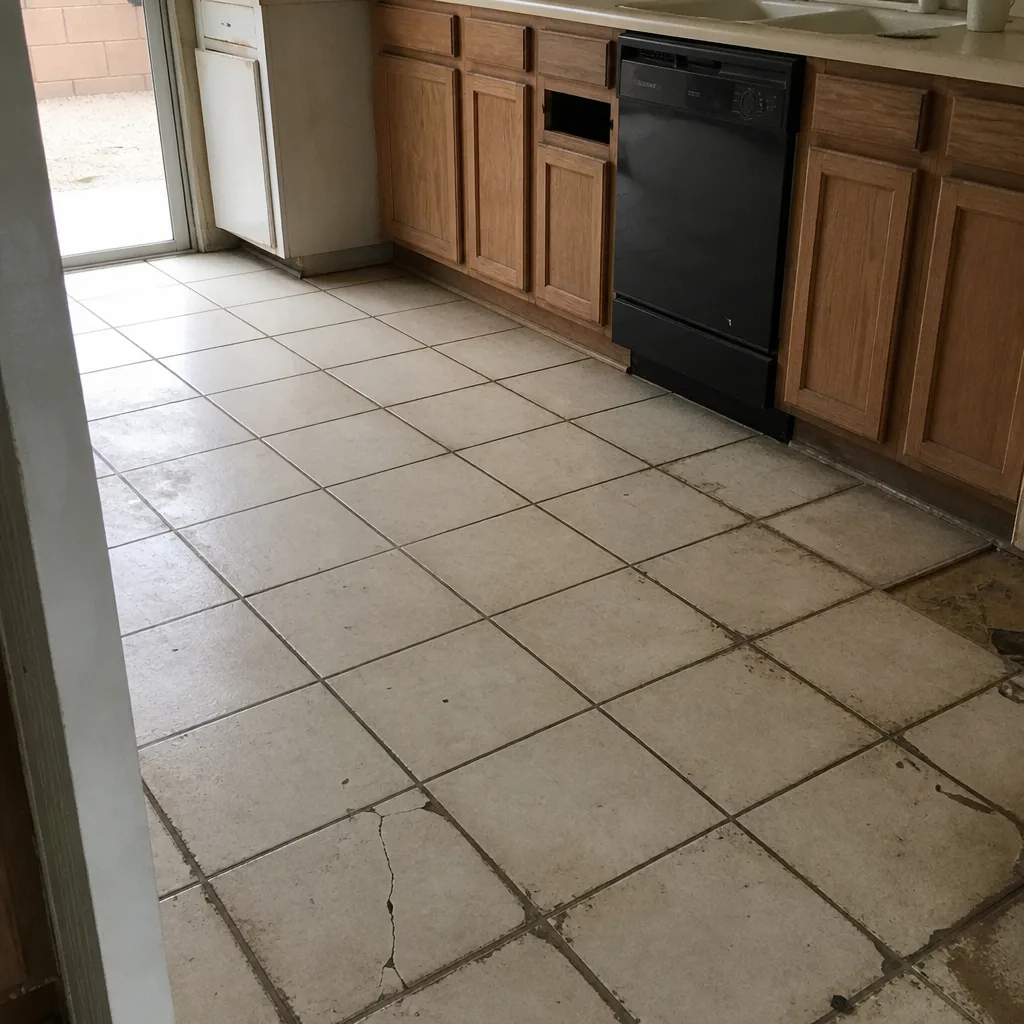
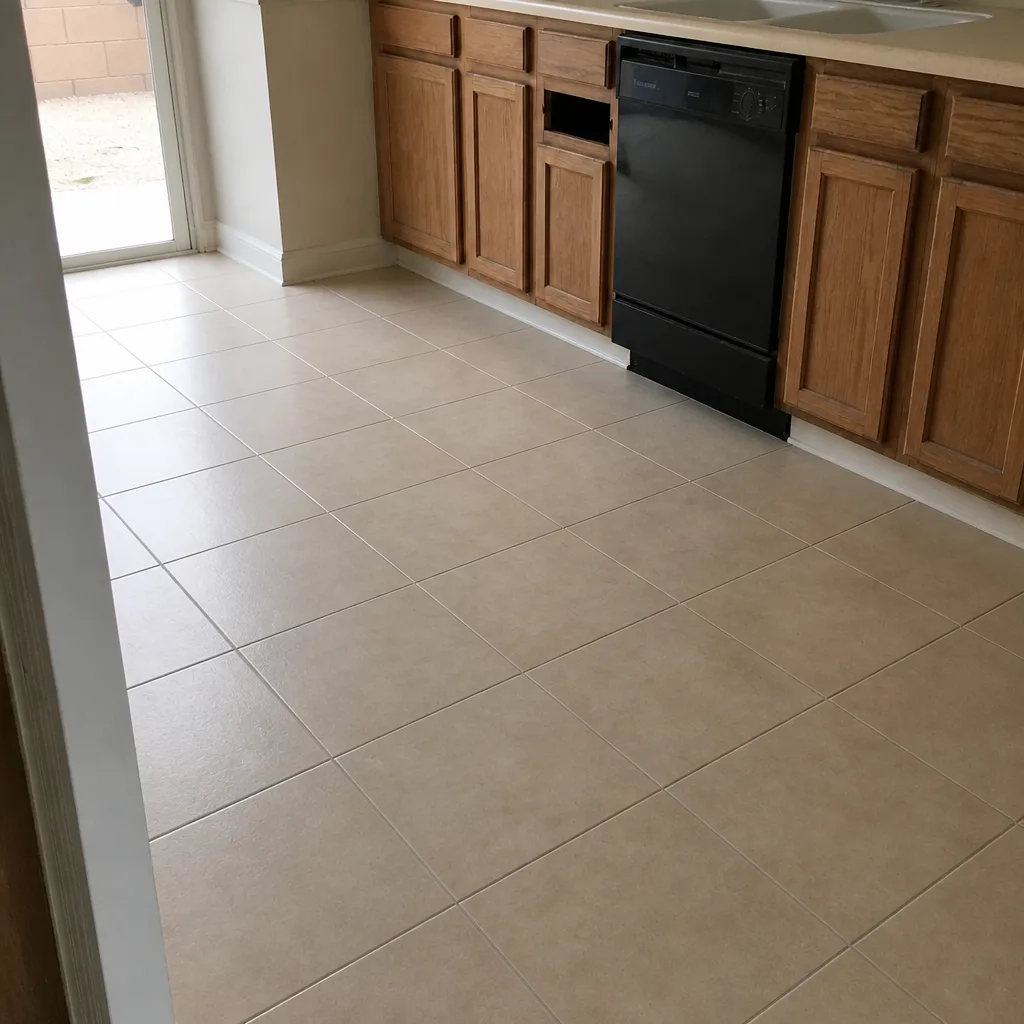
See the difference
 Before
 After
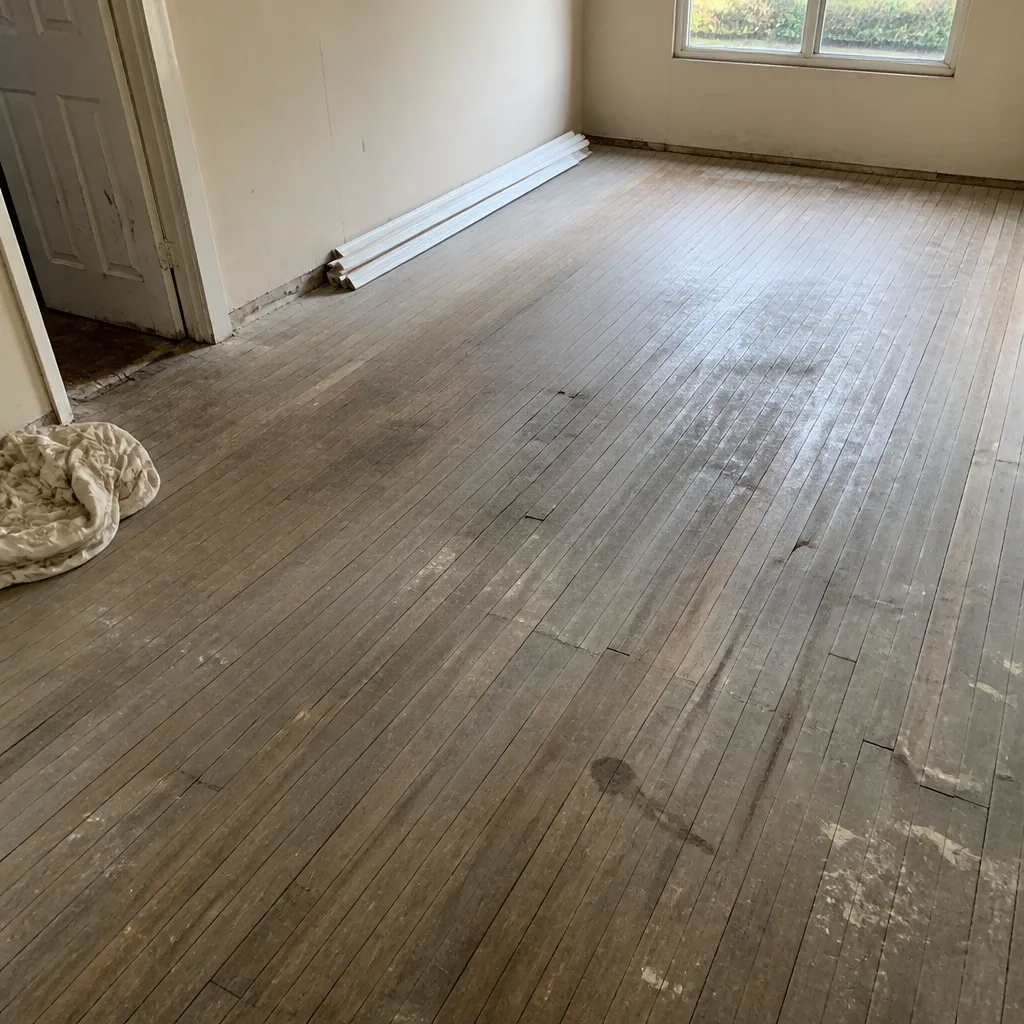 Before
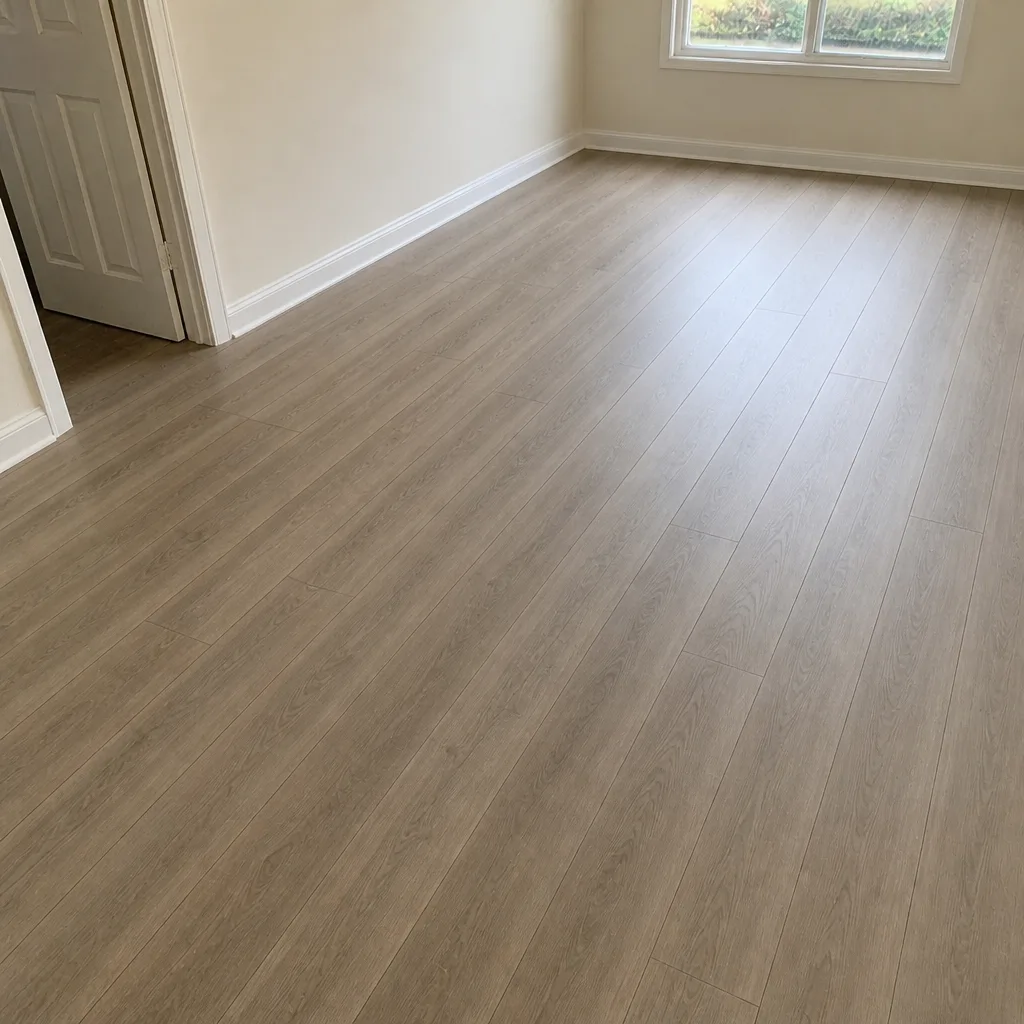 After
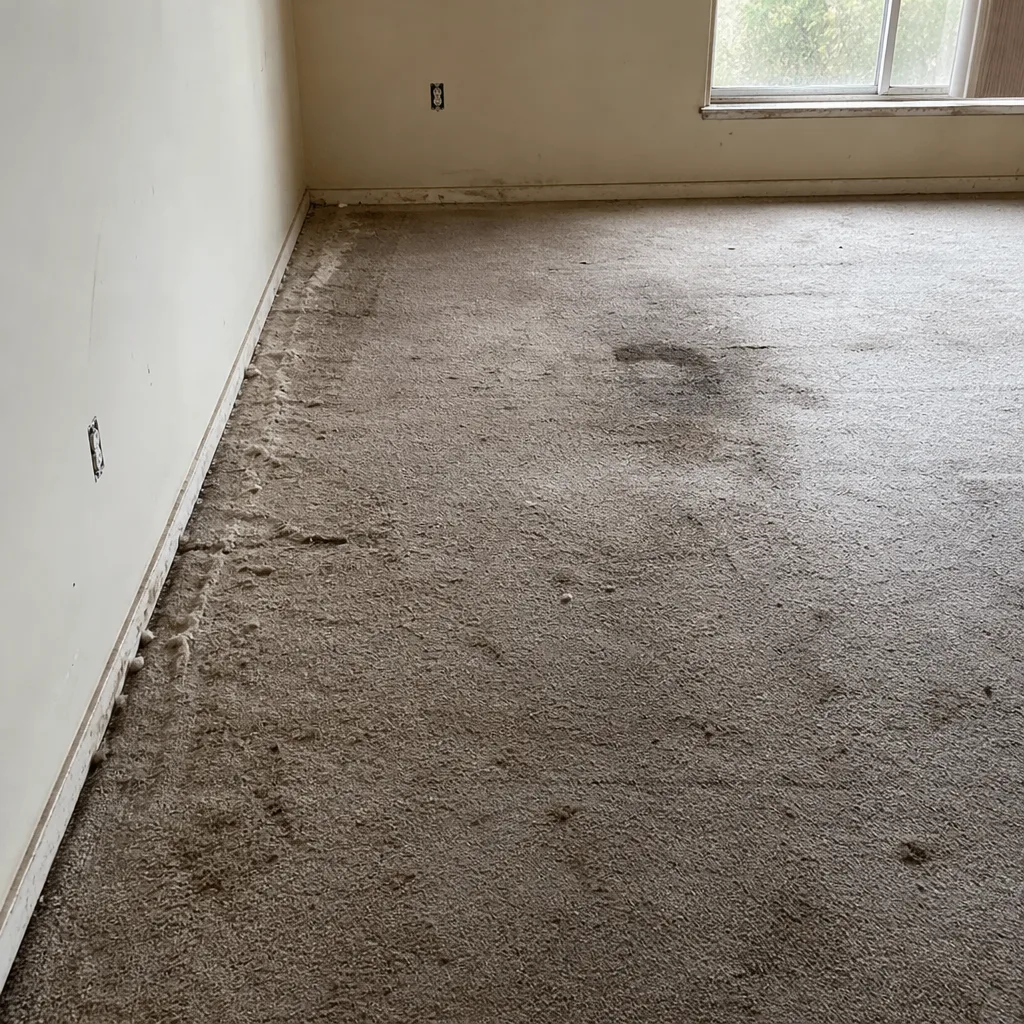 Before
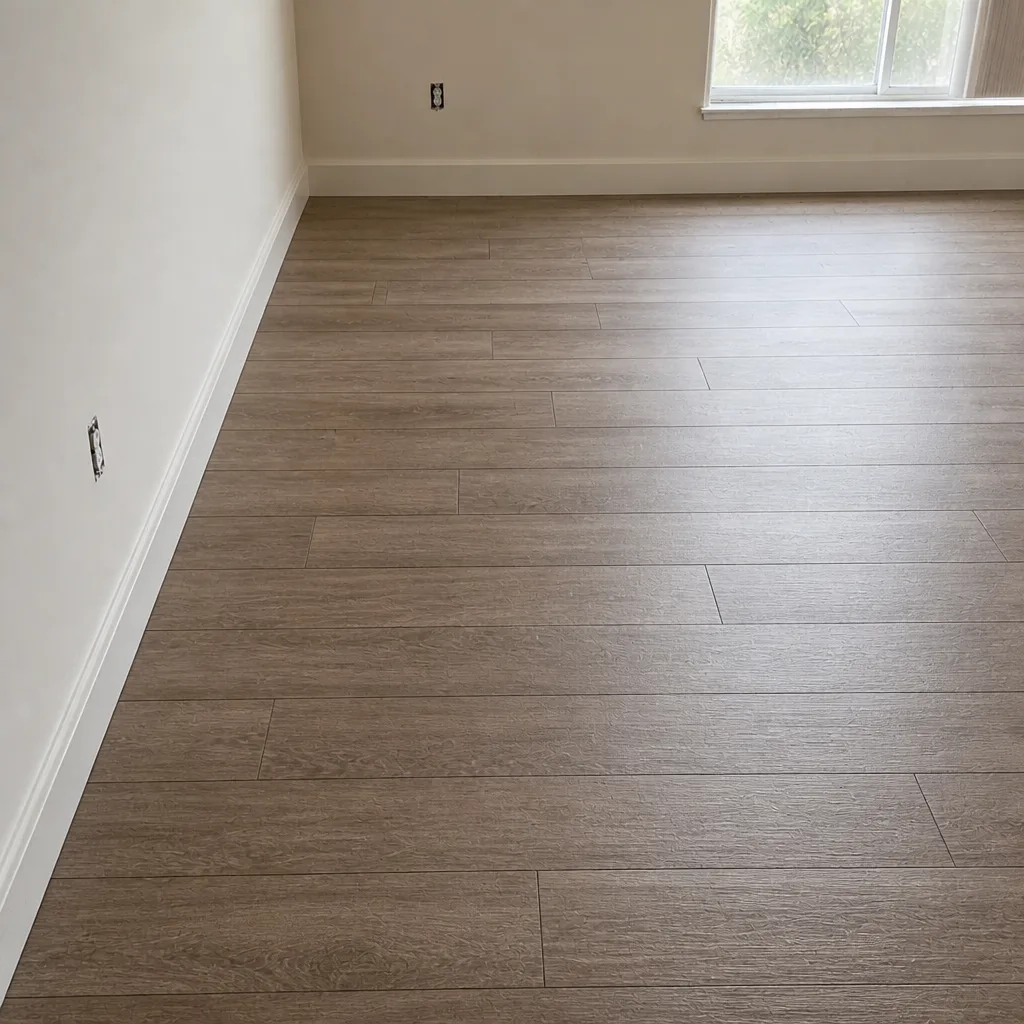 After
When to Call a Professional
Most flooring care is routine and homeowner-friendly. Call a professional for the things that go beyond cleaning: any situation where you see cupping, buckling, or edge-lifting along a plank seam (moisture from below or a leak needs to be found, not mopped around); any hardwood floor that needs a recoat or refinish assessment, which we handle as part of our hardwood work; any grout or tile that’s cracking or hollow underfoot; and any new install where the finish looks dull or uneven after a few months of proper care, since that can point to a product or installation concern rather than a cleaning problem. Flooring Installation Henderson offers free estimates in Henderson and can look at any of these. Call (888) 721-9818. We answer 24/7. Fast dispatch from 7am to 7pm, Sunday through Friday.
Frequently Asked Questions
Once a week is plenty for most homes, with a dry sweep or vacuum in between as needed. In Henderson, the hard water means you’ll want to add a diluted white vinegar pass every few weeks to cut mineral film. If you run a whole-house softener, the vinegar step is usually unnecessary and a neutral cleaner alone does the job.
Often yes, in the dry season. Indoor humidity in Henderson can fall low enough in winter that hardwood contracts and plank gaps open. A cheap hygrometer tells you whether your home is in that range. A room humidifier in the main living area is usually enough to keep the floor stable. Never point a humidifier directly at the floor, and never wet-mop hardwood.
A haze on new LVP in Henderson is often hard-water mineral film, not a finish failure. The water dries on the surface and leaves minerals behind. A diluted white vinegar pass (roughly one part vinegar to four parts water), followed by a clean-water rinse and a microfiber dry, usually clears it. If the dullness persists after that, it’s worth having someone look at the floor. Call (888) 721-9818 for a free estimate.
No. Vinegar is fine occasionally on tile and resilient floors, but it’s not appropriate for hardwood. Use a pH-neutral wood-safe cleaner with a lightly damp microfiber mop, and keep moisture to a minimum. Vinegar can dull the finish on wood over time.
Look for dull patches you can’t buff out, scratches you can feel with a fingernail, white rings from water or heat, or bare wood at the edges. Whether the floor can be refinished depends on the wood thickness and its condition, which is checked at the estimate visit. In Henderson, the refinishing interval depends on sun exposure, traffic, and pets more than the 7-to-10-year national average.
Yes, and they make a bigger difference here than in most places. Fiber doormats at every exterior entrance trap the fine desert grit that scratches finishes when it’s walked on. Rubber-backed mats underneath add moisture protection. Vacuum or shake them out weekly, or they become grit reservoirs instead of grit traps.
Sometimes, yes. Hard water film on tile and vinyl, dry indoor air stressing hardwood in winter, and intense UV on sun-facing floors are Henderson-specific conditions that a generic care sheet doesn’t account for. The manufacturer’s guide gives you the safe baseline; the local adjustments in this guide handle what the climate throws at your floor on top of it.
The Bottom Line
New flooring in Henderson asks more of you than the care sheet that came with it. Hard water needs a routine, not a stronger cleaner. Desert dust needs a doormat and a daily sweep before it scratches. Hardwood in dry indoor air needs a hygrometer and maybe a humidifier, not more water. Sun-facing rooms need blinds or another UV barrier. And refinishing is the maintenance decision to plan for, not the emergency to react to. Get those habits right and the floor you picked will hold its finish, its color, and its edges for a long stretch. If you want an honest read on what your floor needs, our Henderson team is here for it. Call (888) 721-9818 for a free estimate. We answer 24/7. Fast dispatch from 7am to 7pm, Sunday through Friday. Nine trusted brands, one installation team, and floors-only expertise from selection through installation.
Written by the team at Flooring Installation Henderson.